
Automotive Manufacturing Roofing in Tucson, AZ
Tucson automotive manufacturing roofing for very large decks, heavy process loads, and continuous ventilation — phased around shifts with zero line disruption.
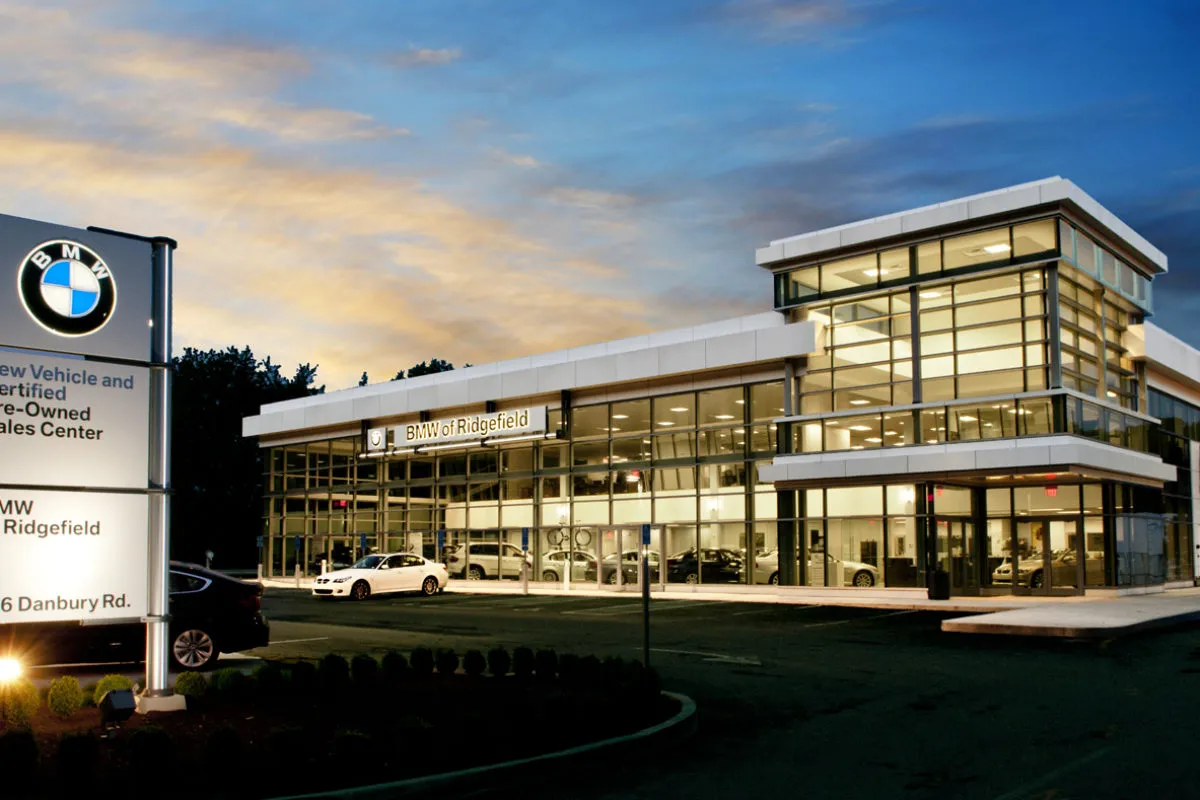
Southern Arizona has built a real footing in vehicle and mobility manufacturing. Tucson has drawn automotive and EV-adjacent producers and a deep bench of Tier 1 and Tier 2 suppliers, with plants and fabrication shops spread across the Aerospace and Technology Business Park near the airport, the Port of Tucson rail-served industrial area off Kolb, and the heavy-industrial belt along the I-10 corridor. These are some of the largest single roof decks in the region, and the operations under them run on tight, multi-shift schedules where downtime carries a number the plant can quote you per hour.
That number is the whole game on an automotive roof. Every sequencing decision, every material drop, every tear-off square is judged against what a production interruption would cost in the bays below. We learn that figure from the plant's facility engineering team before we contract the work, and it shapes how we mobilize, phase, and dry in each night. The roof is enormous and the tolerance for disruption is near zero, and both facts have to be designed for from the start.
Very Large Decks Demand Real Phasing
An assembly or stamping plant can put hundreds of thousands to a few million square feet of roof under one envelope. You cannot treat that like a big version of a small roof — it has to be carved into manageable zones, with tear-off and material flow sequenced to stay inside crane reach and laydown space while production keeps running in the zones you are not touching. We build the zone map with the plant, sequence deliveries so the roof is never overloaded with staged material, and keep work clear of the bays running live product. On the membrane side, a 60-mil or 80-mil TPO mechanically attached is the typical large-deck specification, the reflective surface cutting the Tucson heat load across acres of roof, with tapered insulation worked into zones where the original drainage falls short.
Process Loads and Roof-Level Vibration
Heavy manufacturing loads the roof in ways a warehouse never does. Stamping presses, casting lines, and powertrain machining throw real vibration up into the structure, and at the frequencies big presses generate that vibration fatigues membrane seams and flashings that were welded or bonded to a generic standard. Over press-heavy zones we account for the vibration exposure in both the membrane choice and the welding procedure, so the seams hold under cyclic load instead of slowly working open. Process piping, mechanical mezzanines, and equipment supports add penetration density, and each one gets detailed for the load and movement it actually sees.
Ventilation, Exhaust, and Paint-Shop Restrictions
Ventilation is constant and heavy on these plants. Large make-up air units and high-volume exhaust fans pull process heat and fumes out of the building all shift, and those penetrations are big, numerous, and non-negotiable about staying in service. We oversize and detail every curb for the airflow it handles and treat keeping the ventilation live as a planning constraint, not an inconvenience.
Paint operations need their own plan. A paint shop generates solvent vapor and fire-suppression requirements that govern hot-work permits, adhesive selection, and any torch use on or near those zones. Solvent-based adhesives have no place over an active paint area, so we specify cold-applied adhesive or mechanical attachment there and build the hot-work permit plan with the plant's environmental health and safety team during preconstruction. These restrictions are not surprises sprung mid-job — they are standard scope items we plan around up front.
Continuity, Suppliers, and Documentation
Production continuity governs everything else. Before mobilization we document the shift schedule, flag which roof zones sit over live lines, and phase the work to stay clear of them, with daily dry-in confirmed before each shift change and direct contact held with the maintenance foreman throughout. Tier 1 and Tier 2 supplier plants get the same discipline — often more, since just-in-time delivery leaves them zero room for an interruption. At closeout we hand over the package these facilities expect: contractor safety qualifications, the site-specific safety plan, warranty registration, a roof-zone diagram with the penetration inventory, daily reports, permit records, and a photographed condition survey, formatted to the plant engineering department's standards. On a building this large with stakes this high, the planning and the paperwork are as much the job as the membrane itself.
Logistics Are Half the Project
Reroofing acres of occupied plant is as much a logistics exercise as a roofing one. Material has to land where the crew needs it without overloading any one bay of the deck, cranes and lifts have to set up without blocking the truck traffic and dock activity that keep production fed, and tear-off debris has to come down on a controlled path that never crosses an active line. We build a staging and delivery plan with the plant up front — where material stages, how it moves to the work zone, when cranes operate around shift changes — so the roof work threads through the plant's daily operation instead of fighting it. On a multi-million-square-foot deck, a sloppy logistics plan disrupts production faster than the roofing ever would.
Safety planning scales with the building. Large industrial roofs mean long fall-exposure perimeters, skylights and smoke vents to guard, and constant coordination with plant traffic below. We hold a site-specific safety plan that accounts for the live operation underneath and the scale of the deck above, because on a plant this size a safety lapse is both a human risk and a production risk.
Recover Versus Tear-Off on a Giant Deck
On a roof this large, the choice between recovering the existing roof and tearing it off carries a big cost and schedule swing, and it cannot be guessed. We core-sample and run moisture surveys across the deck to find where the insulation is wet and the structure compromised, then map which zones can take a recover and which have to come off to the deck. Often the answer is mixed — a sound majority that can be recovered and isolated wet areas that need full replacement. Getting that map right keeps the plant from paying for a full tear-off it does not need, or from recovering over hidden moisture that will fail early. We confirm the existing deck's load capacity before adding any insulation weight, since the structure on these buildings is engineered close to its working loads.
Built for the Desert and the Plant Floor
Tucson's climate matters even more on a roof this size. The summer sun heats acres of membrane and drives an enormous cooling load through the building, so a reflective surface across that whole expanse pays back directly in reduced rooftop temperature and HVAC demand. The monsoon then tests drainage hard, dumping intense rain in short bursts that an under-drained large roof cannot shed fast enough — so we design drainage for the peak event and the wind that comes with it. Combine the desert exposure on top with the process heat, vibration, and ventilation loads from below, and an automotive plant roof has to perform under pressure from both directions at once.
From the suppliers clustered near the airport business park to the rail-served plants at the Port of Tucson and the heavy-industrial operations along I-10, these are demanding buildings run by people who measure downtime in hard dollars. We plan, sequence, and document the work to match that reality, and we keep production running while we do it.
Ready to talk through a roof?
Tell us about the building and the roof problem. We'll document it and put a plan in writing — with an honest repair-vs-replace recommendation and no upsell pressure.
Documented, repair-first commercial & industrial roofing across Tucson and Pima County. Flat and low-slope systems for occupied buildings, planned around your operation.
Services
© 2026 Commercial Roofing Contractors Tucson. All Rights Reserved. Privacy Policy · Terms of Use