
Commercial Roofing in West Tucson
Commercial roof inspections, replacements, and maintenance for West Tucson — Tucson Mall area, I-10 industrial and retail corridors, and the Flowing Wells and Miracle Mile commercial zones.
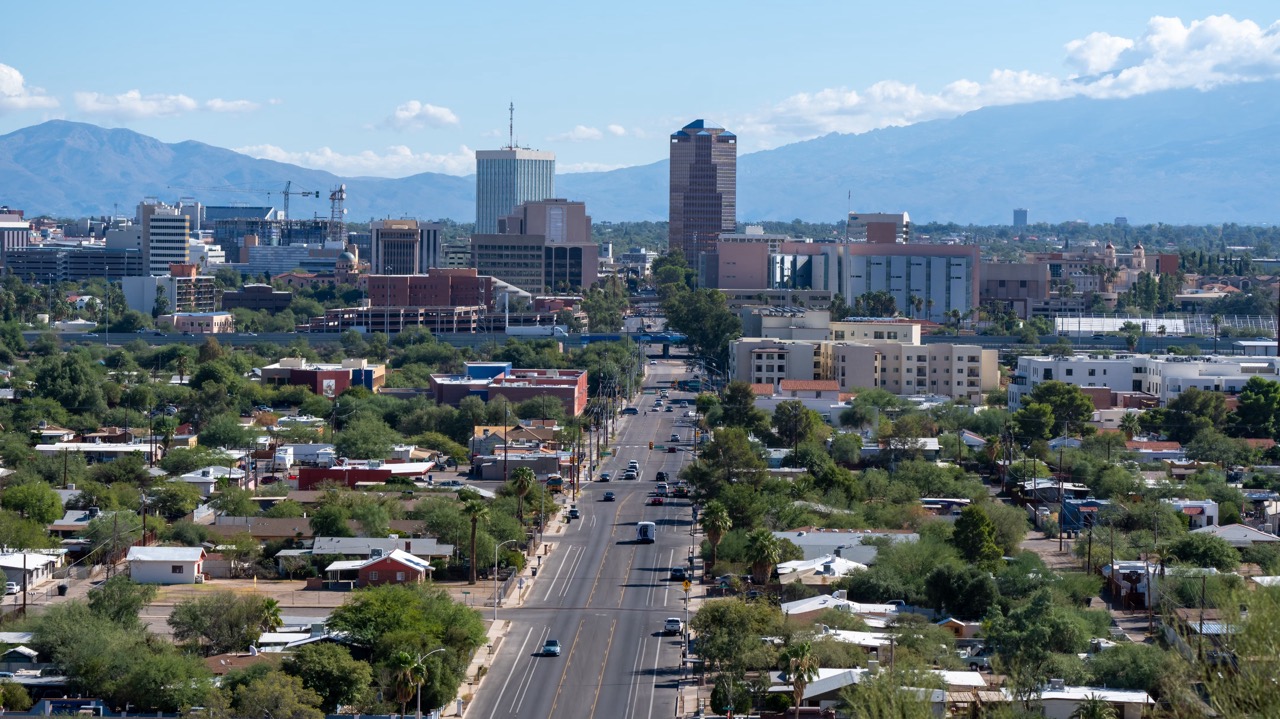
West Tucson's commercial inventory centers on the Tucson Mall corridor, the I-, and the Miracle Mile and Flowing Wells commercial strips — a mix of 1970s through 1990s big-box retail, warehouse, and service commercial that is deep into active reroof cycles.
The west side of Tucson carries a different commercial character than the institutional density of the UA area or the government and office concentration of downtown. Tucson Mall on North Oracle Road is the west side's retail anchor — a regional shopping center from the 1970s with attached anchor pads, inline retail, and a satellite commercial ring along Oracle and Prince Road that has grown up around it over five decades. The I- is the city's primary industrial and distribution spine — warehouse and manufacturing buildings in the 50,000 to 500,000 square-foot range, most of them built between 1980 and 2005.
The Miracle Mile corridor on North Oracle Road between the Rillito River and about Prince Road represents a different inventory layer: smaller commercial buildings from the 1950s and 1960s, a mix of automotive service, retail, and hospitality buildings that predate modern flat-roof membrane technology. The Flowing Wells area along North Oracle and North Stone adds another band of similar vintage commercial and light-industrial buildings. Both corridors have aging built-up roofing systems that have either been recovered multiple times or are reaching the end of viable recover cycles.
West Tucson's I-10 proximity makes it a logistics hub that is still adding industrial square footage. New speculative warehouse and flex-industrial development along the Ruthrauff and Ina Road interchange areas is on current-specification TPO systems, while the older inventory three to five miles south is in active replacement cycles. We run regular project work across the full range of this west-side commercial inventory.
Tucson Mall Area and Oracle Road Retail Corridor
Tucson Mall's main structure and its anchor pad buildings — developed from the 1970s through the 1990s as the mall expanded — carry a layered roof history that varies by section. The original 1970s main-mall EPDM is largely gone, replaced by modified-bitumen recover systems in the 1990s and by a mix of further recover and replacement work in the 2000s and 2010s. Individual anchor pads have their own roof histories depending on anchor tenant ownership and maintenance practices.
The Oracle Road satellite commercial strip north and south of the mall — strip centers, freestanding retail, drive-through restaurants, and the Prince Road commercial cluster — is where the west side's most active small-to-mid-size replacement volume concentrates. Strip-center buildings from the 1980s and 1990s on Oracle between Prince and Wetmore are predominantly on first-generation 45-mil TPO or modified-bitumen SBS, and most of them have been through multiple coping and flashing repairs without membrane replacement. The substrate condition on these buildings varies significantly — some are clean recovery candidates, others need full tear-off.
Property management coordination for Tucson Mall and its adjacent retail centers requires advance notice and approval for staging, crane, and access-road use. Tucson Mall's property management team sets contractor operating-hours requirements and public-facing protection standards that apply to all exterior work on the mall campus. We identify these requirements in pre-construction and document them in the project plan.
I-10 Industrial and Distribution Corridor
The I-10 industrial corridor through west Tucson — running roughly from the Rillito River south to the Ajo Way interchange, concentrated along Interstate Drive, Commerce Court, and the Freight House area — is the city's highest concentration of large-format warehouse and distribution buildings. Building ages range from mid-1970s masonry warehouse construction along the older sections of Ina Road and Ruthrauff to early 2000s tilt-up concrete distribution centers south of Grant Road.
Replacement scopes in this corridor typically run 80,000 to 300,000 square feet. We stage tear-off in sections sized to allow same-day dry-in, which for I-10 corridor distribution buildings means sequencing around rack inventory and avoiding any open-section exposure during monsoon-season afternoon windows. Daily section size is documented in the project sequencing plan and reviewed with the property manager before tearoff begins.
The older warehouse buildings north of Grant Road along this corridor were built on original BUR systems that were not designed with vapor management in mind for Tucson's climate. When we core these buildings, we routinely find saturated insulation that has been trapping monsoon-infiltration moisture through repeated thermal cycles without drying out. Replacement scopes on these buildings specify vapor analysis to determine whether a vapor retarder is warranted in the new system — an unusual consideration for a hot-dry climate, but one that the existing saturation patterns sometimes indicate.
Miracle Mile and Flowing Wells Vintage Commercial
The Miracle Mile corridor and the Flowing Wells commercial strip represent Tucson's mid-century commercial building stock — 1940s through 1960s construction, mostly one-story masonry with parapet walls, wood or steel joist decks, and original BUR systems that have been recovered or repaired through multiple cycles. The Miracle Mile area in particular has seen significant redevelopment activity since the 2010s, and some buildings that were candidates for demolition are now being renovated for new commercial or residential use.
Pre-demolition asbestos assessment is required on all pre-1980 buildings before any tearoff. In the Miracle Mile and Flowing Wells corridors, this means virtually every older commercial building gets an asbestos survey as a project prerequisite. We coordinate licensed abatement when the survey confirms ACM in roofing felts or pipe insulation at penetrations, and we build the abatement timeline into the project schedule from the start.
The Rillito River corridor along the northern edge of this district — where the river park connects the west side commercial zones to the broader Tucson trail and open-space network — has commercial buildings with direct river-proximity exposure. Riparian vegetation near the river creates organic debris loads on roof drains that require more frequent drain maintenance than inland commercial buildings. We include drain inspection and clearing in the maintenance scope for any building within a half-mile of the Rillito floodplain.
Frequently asked questions
Do you work on Tucson Mall anchor pad buildings?
Yes. Anchor pad roofing requires coordination with both the anchor tenant and the mall property management team. Staging, access-road use, and operating hours are governed by Tucson Mall's contractor requirements. We identify and document these requirements before contract execution and build them into the project schedule.
How do you stage large industrial replacements along the I-10 corridor without shutting down distribution operations?
We write a section-by-section tearoff sequencing plan that documents daily section size, dry-in method, and the specific racked inventory areas that are affected each day. The property manager and tenant facility manager review and approve the sequencing plan before tearoff begins. No section over the active distribution floor is left open overnight or during monsoon-season afternoon windows.
Is asbestos a concern in Miracle Mile area buildings?
For buildings constructed before 1980 — which covers most of the Miracle Mile and Flowing Wells commercial stock — a pre-demolition asbestos assessment is required by EPA NESHAP regulations before any tearoff. We require the survey as a project prerequisite and coordinate licensed abatement if ACM is confirmed. The survey and abatement timeline are built into the project schedule from the first scope meeting.
What is your response time for I-10 corridor emergency leaks?
The I-10 industrial corridor is within 20 minutes of our Downtown Tucson office. Emergency calls for commercial buildings in this corridor are same-day. During monsoon season, we monitor the National Weather Service Tucson forecast and pre-position emergency dry-in materials at our west-side staging area when significant rain events are forecast.
Schedule a West Tucson commercial roof assessment.
Our project managers run regular routes through the Tucson Mall corridor, I-10 industrial zone, and Miracle Mile commercial strip. We produce written condition reports with moisture-core documentation, asbestos survey status, and a replacement or recovery scope scoped to your building's current condition.
Ready to talk through a roof?
Tell us about the building and the roof problem. We'll document it and put a plan in writing — with an honest repair-vs-replace recommendation and no upsell pressure.
Documented, repair-first commercial & industrial roofing across Tucson and Pima County. Flat and low-slope systems for occupied buildings, planned around your operation.
Services
© 2026 Commercial Roofing Contractors Tucson. All Rights Reserved. Privacy Policy · Terms of Use