
Office Building Roofing in Tucson
Commercial roof replacement and repair on Tucson Class A and mid-rise office buildings — TCC area, UA Park Place, Williams Centre, and Foothills executive office — with tenant coordination, permit management, and manufacturer warranty closeout.
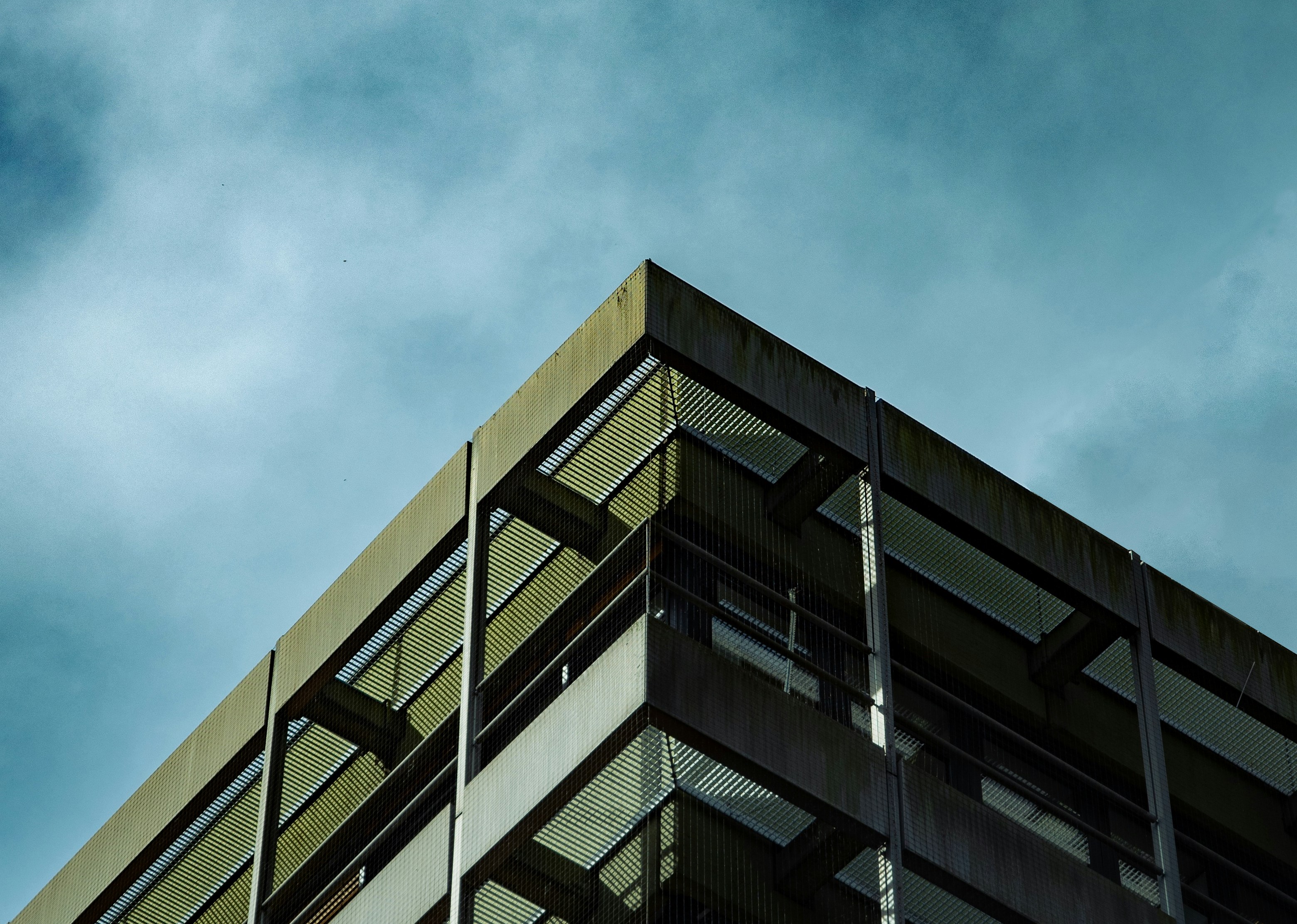
From the Class A office towers near the Tucson Convention Center and UA Park Place to the mid-rise professional buildings in Williams Centre and the Foothills executive corridor, Tucson's office building inventory presents roofing access, tenant coordination, and scheduling demands that are different from any other building type.
Tucson's commercial office inventory is distributed across several distinct submarkets, each with its own building vintage, access constraints, and tenant environment. The downtown core around the Tucson Convention Center and the civic government complex contains a concentration of Class A and Class B multi-story office buildings constructed in the 1970s through 1990s, many on first or second reroof cycles. UA Park Place along University Boulevard and the Innovation Place research and office campus adjacent to the University of Arizona represent a newer generation of mixed-use and professional office development. Williams Centre at East Williams and South Craycroft is Midtown Tucson's primary Class A campus — a multi-building complex with professional services, financial, and corporate tenants on well-maintained capital cycles.
The Foothills and Catalina Foothills executive corridor along East Skyline Drive, North Campbell Avenue, and the Ventana Canyon approach brings a third category: smaller-footprint two- and three-story professional buildings on restrictive sites with slope, parapet, and architectural complexity that drives flashing detail far beyond a standard flat-roof replacement. Elevation in this submarket — 2,800 to 3,200 feet — adds UV load above the Tucson basin average.
What distinguishes office building roofing from warehouse or retail work is not the membrane — it is the tenant environment, the access logistics, and the documentation standard. Building owners with institutional tenants or lender relationships expect a closeout package that goes beyond a warranty document: zone diagrams, all inspection and installation photos keyed to location, the maintenance contract, and energy-compliance documentation in the format their asset managers require.
Access Logistics for Downtown and Mid-Rise Tucson Office
Multi-story office buildings in the TCC area and along the downtown Congress Street and Church Avenue corridor present access constraints that require early pre-construction coordination. Material delivery on buildings above four stories typically requires a rooftop crane or a material elevator staged in the parking structure or adjacent right-of-way. The City of Tucson Development Services Center and the Public Works department manage right-of-way permits for lane closures or crane operations — we handle the submittal and coordination as part of our project management scope.
Williams Centre and similar mid-rise campus developments have property management requirements for contractor operations: approved staging areas, pedestrian protection zones, and tenant-notification timelines that run through the property manager rather than direct to tenants. We identify these requirements during the pre-construction walk and build them into the project schedule. Showing up to mobilize without prior property management approval is not how we operate.
Foothills and Catalina Foothills office buildings often have difficult crane access due to site topography, mature landscaping, and HOA or CC&R requirements that restrict equipment staging in common areas. On these projects we assess rooftop access alternatives — mechanical-room hatch sizing, existing roof hatches, or temporary man-door modifications — during the inspection walk and confirm the material-delivery plan before contract execution.
Tenant Coordination and Air Quality Management
Tucson Class A office tenants — law firms, financial advisory practices, UA-affiliated research operations, and healthcare administrative offices in the Williams Centre and Foothills submarkets — operate during standard business hours with conference facilities, server rooms, and client-facing environments that have zero tolerance for odor infiltration or vibration noise during business hours. Modified bitumen tear-off generates combustion products and odor that migrate through HVAC if the intake is on the same elevation as the work area.
We coordinate with the building's HVAC contractor to adjust intake dampers during tear-off on any floor below or adjacent to the active work area. On multi-story buildings, this is a written coordination protocol shared with the HVAC contractor before mobilization — not an on-the-fly field call on the day tear-off starts. Loud demolition work is scheduled for early-morning hours outside of the primary business-meeting window, and we provide daily schedule updates to building management with the following day's production scope.
Air quality and odor management are especially important on Tucson office buildings with medical or research tenants. Several Foothills and midtown professional office buildings house satellite healthcare operations or UA-affiliated clinical research activities with regulatory compliance requirements around indoor air quality. We identify these tenants during the pre-construction walk and flag them for special sequencing.
Membrane and Insulation Selection for Tucson Office Buildings
Most Tucson Class A and mid-rise office buildings carry accessible rooftop mechanical equipment — cooling towers, rooftop HVAC units, and communications hardware that see regular maintenance foot traffic. This argues for 80-mil TPO or fully adhered systems over a cover board, both of which handle mechanical traffic better than standard 60-mil mechanically attached membranes. Fully adhered systems also provide a cleaner aesthetic where the roof is visible from upper-floor windows in adjacent buildings.
Insulation specification on multi-story office buildings in Tucson must account for the effective R-value loss under high rooftop temperatures — a factor that matters more here than in most US markets. High-density polyiso or a polyiso-plus-cover-board stack maintains effective R-value under the 175-degree-plus surface temperatures recorded on dark or aging membranes in the Sonoran Desert. Arizona IECC 2018 R-value requirements for Climate Zone 2 are the minimum; we typically specify above minimum to support energy-performance certifications that institutional tenants increasingly require.
Silicone coating systems are a viable capital option on office building roofs where the substrate is dry, the membrane is intact, and the building has a 10-to-15-year planning horizon before the next ownership or major capital event. We pull moisture cores before recommending any coating project on a Tucson office building and deliver the core data with the scope recommendation in writing.
Frequently asked questions
Can roof replacement work happen while our tenants are in the building?
Yes, with proper scheduling and communication. We coordinate production windows with building management, restrict loud demolition to early-morning hours outside primary business windows, manage HVAC intake during tear-off to prevent odor migration, and provide daily schedule updates. Full building evacuation is not required or practical on Tucson multi-tenant office reroofs — but pre-construction tenant notification through the property manager is non-negotiable.
What does your closeout package include for a Williams Centre or downtown Tucson office building?
The closeout package includes the manufacturer warranty document, a roof zone diagram with all inspection and installation photos keyed to location, the energy-compliance summary with reflectivity and R-value documentation, the maintenance contract schedule, and the permit closeout from the City of Tucson or Pima County. We provide both physical and digital copies at the final walk.
How do you handle material delivery on downtown Tucson multi-story buildings?
We assess material delivery method during the inspection walk — rooftop crane, material elevator, or existing roof hatch depending on building height and site constraints. City of Tucson right-of-way permits for crane operations in the downtown core are managed by us as part of project management scope. Lead time for downtown permits is typically 10 to 15 business days, which we build into the pre-construction schedule.
Do you work on Foothills executive office buildings with HOA or CC&R constraints?
Yes. Foothills and Catalina Foothills commercial properties often have HOA or developer CC&R requirements covering contractor equipment staging, operating hours, and landscaping protection. We identify these constraints during the pre-construction walk and build them into the project scope — including any required HOA approval of the work plan before mobilization.
Get a documented roof scope for your Tucson office building.
Our project managers will walk the roof, assess access logistics, and produce a written scope with a tenant-coordination plan and pre-construction checklist before any mobilization date is set.
Ready to talk through a roof?
Tell us about the building and the roof problem. We'll document it and put a plan in writing — with an honest repair-vs-replace recommendation and no upsell pressure.
Documented, repair-first commercial & industrial roofing across Tucson and Pima County. Flat and low-slope systems for occupied buildings, planned around your operation.
Services
© 2026 Commercial Roofing Contractors Tucson. All Rights Reserved. Privacy Policy · Terms of Use