
Emergency Roof Repair in Tucson, AZ
24/7 emergency commercial roof dry-in for Tucson buildings — monsoon storm response, haboob damage dry-in, and post-event documentation. Downtown Tucson 4-hour dispatch. We stop the water, then scope the permanent fix.
Inner Suburban Ring — Eastside, Southside, Rita Ranch, Drexel Heights, Flowing Wells: Same-day dispatch. Typical crew arrival is three to six hours from call depending on active monsoon weather across the metro and crew availability.
Outer Pima County — Marana, Oro Valley, Sahuarita, Green Valley, Vail: Same-day dispatch for major loss events — active building penetration, structural exposure, multi-building complex. Next-day for lower-severity dry-in calls. Banner Health Oro Valley Hospital and Davis-Monthan AFB adjacent buildings have priority routing regardless of zone.
What Emergency Dry-In Covers in a Tucson Monsoon Context
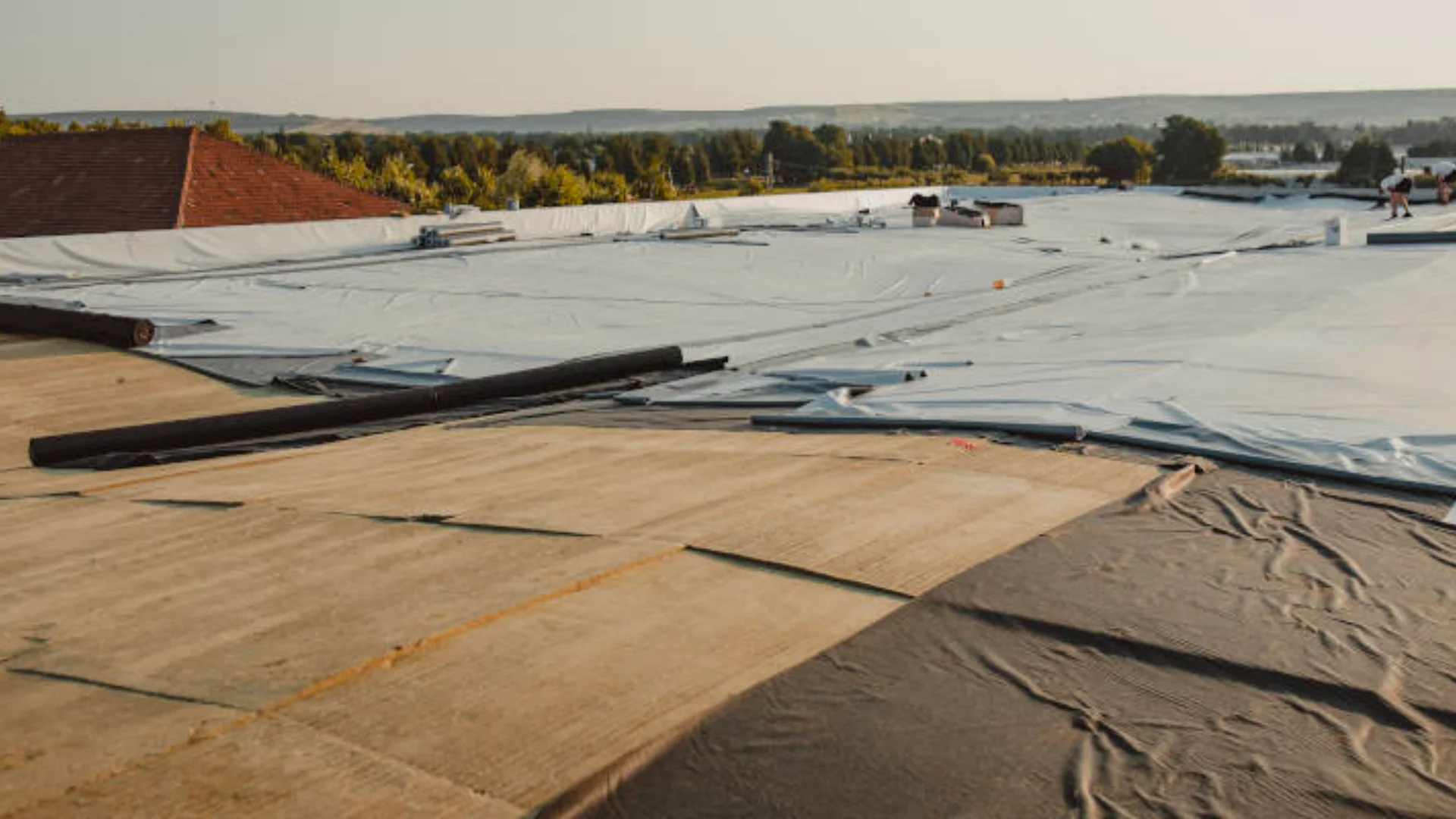
Emergency dry-in is a temporary stabilization, not a permanent repair. We cover the failure zone with a compatible membrane lap or a properly weighted tarp assembly fastened to the roof field with fasteners that do not penetrate the building interior and weighted at perimeter edges to hold against the 60-mph wall winds that haboob events produce. We photograph the temporary installation, document the failure mode, and leave the building weathertight within a single work window.
The following day — or once the monsoon cell has cleared and the roof is accessible — we return for the permanent repair scope walk. We probe the seams in the affected zone, core-pull if insulation saturation is suspected from ponded water, document the full extent of the damage, and produce a fixed-price repair scope. We present the temporary dry-in invoice and the permanent repair scope separately. Nothing about the emergency dry-in creates an obligation to use us for the permanent work.
Post-monsoon scope items we see across the Tucson commercial inventory: membrane blow-off at perimeter edge metal where original fastener patterns were designed for standard wind loads rather than haboob gust profiles; parapet cap dislodgement exposing base flashing to direct water intrusion; drain cover and strainer displacement creating open drain bodies under standing water; and membrane punctures from debris impact — Tucson monsoon convective cells carry rocks, gravel, and construction debris from adjacent desert lots that can reach 2-inch diameter.
Raytheon and Defense-Facility Emergency Coordination
Raytheon Missiles and Defense and Davis-Monthan Air Force Base tenant operations in Tucson require contractor security coordination that differs from standard commercial work. Emergency roof calls at Raytheon facilities require contractor registration and security escort — we maintain current Raytheon contractor credentials and can coordinate DMAFB DD Form 254 documentation for unclassified maintenance access. Calling these requirements out when you contact us accelerates response time because we can stage the coordination in parallel with crew mobilization.
Defense-sector buildings often have equipment and sensitive operations below the roof deck that require advance notification before any work begins overhead. We have a standing protocol for this: we contact the facility security officer on call before crew arrival, document the notification in the emergency work record, and avoid any overhead work above sensitive areas until clearance is confirmed. This adds 30 to 60 minutes to initial arrival time in exchange for compliant operations.
Frequently asked questions
Do I need to suspend building operations during emergency dry-in?
Not typically. Roof-surface dry-in work proceeds while the building operates below. If there is active ceiling collapse risk, standing water near electrical panels or server equipment, or any situation where work overhead creates a safety exposure — call that out when you contact us and we will sequence the work to address interior risks first. For Raytheon facilities, Banner Health buildings, and DMAFB-adjacent properties, we note the building type upfront so we can coordinate the appropriate clearances before crew arrival.
Can you handle multi-building emergency dry-in across a Tucson commercial park?
Yes. We have run multi-building emergency dry-in operations across industrial and office-park properties on the Tucson east side and at UA Tech Park. For large-complex events we deploy two crews simultaneously and prioritize the sequence by occupied status and severity of active penetration. Buildings with interior water intrusion in occupied tenant space or above sensitive equipment get dry-in first; lower-severity peripheral buildings are sequenced next.
Will my insurance adjuster accept your emergency dry-in documentation?
We document emergency dry-in work specifically for insurance submission: itemized labor and materials, time-stamped photos of the damage and dry-in installation, a written description of the failure mode, and a weather event reference (National Weather Service Tucson rainfall and wind data for the storm event). Most property adjusters require this format for emergency protective-measures reimbursement. We do not file claims or negotiate with insurers on your behalf — we give you clean documentation to submit directly or share with your public adjuster.
Active commercial roof leak in Tucson?
Call or submit here — our on-call project manager will confirm response time and dispatch a crew. Downtown Tucson 4-hour dispatch; monsoon-season storm response 24 hours for buildings on our maintenance program.
Ready to talk through a roof?
Tell us about the building and the roof problem. We'll document it and put a plan in writing — with an honest repair-vs-replace recommendation and no upsell pressure.
Documented, repair-first commercial & industrial roofing across Tucson and Pima County. Flat and low-slope systems for occupied buildings, planned around your operation.
Services
© 2026 Commercial Roofing Contractors Tucson. All Rights Reserved. Privacy Policy · Terms of Use