
Retail Roofing in Tucson
Commercial roof replacement and repair for Tucson retail properties — Tucson Mall, Park Place, Foothills Mall, La Encantada, and 4th Avenue — with tenant-open scheduling, pedestrian protection, and monsoon dry-in discipline.
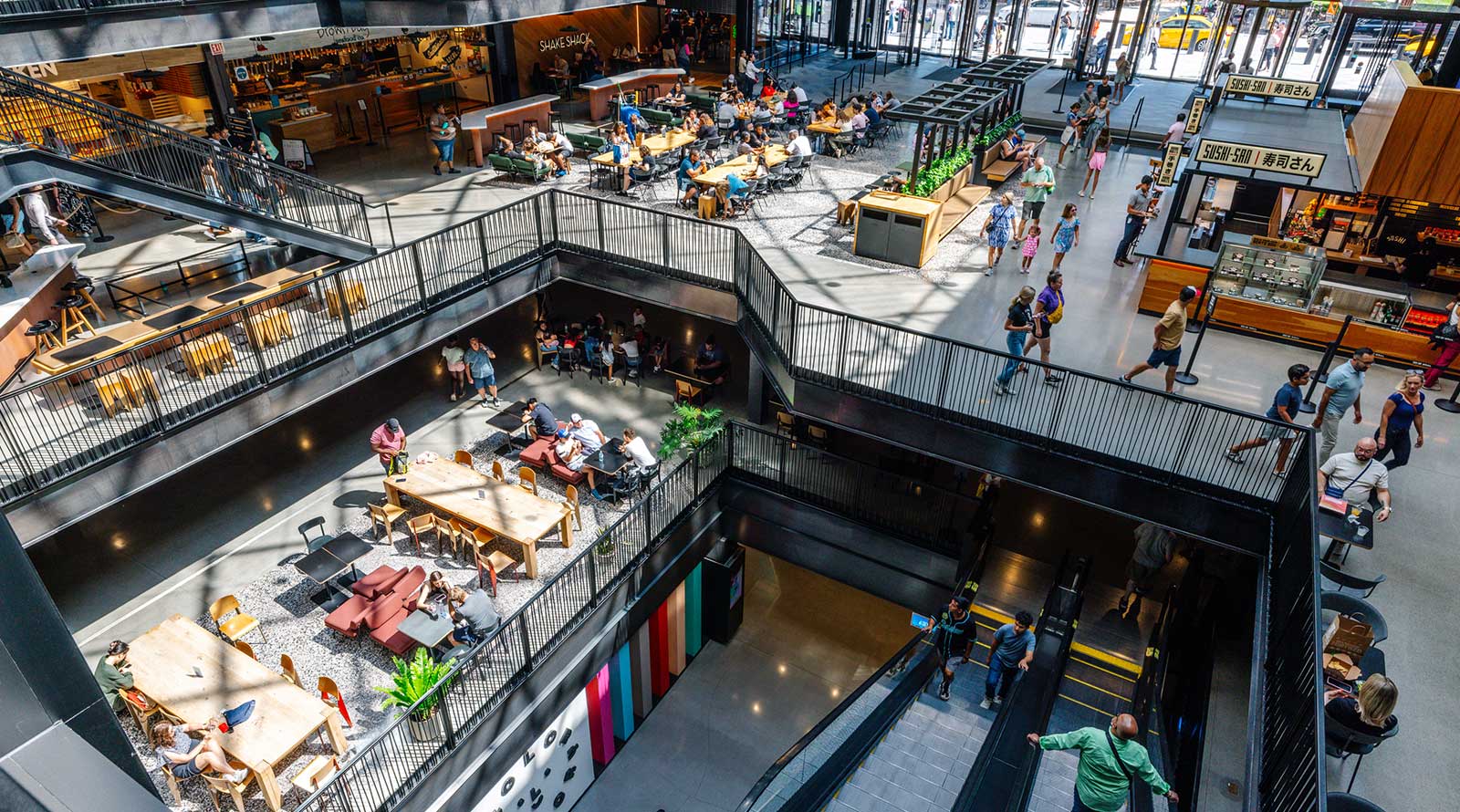
Tucson's retail commercial inventory stretches from the enclosed regional malls — Tucson Mall on Oracle Road and Park Place on East Broadway — to the outdoor lifestyle centers like La Encantada in the Foothills and the eclectic mixed-use retail corridor along 4th Avenue. Each property type has different access constraints, tenant-coordination requirements, and scheduling windows that make retail roofing one of the most operationally complex commercial segments in Pima County.
Retail roofing in Tucson covers a wide range of building configurations. Tucson Mall at Oracle and Wetmore is a 1.2-million-square-foot enclosed regional mall with connected anchor buildings, a food court with grease-producing exhaust penetrations on the roof deck, and property management requirements for contractor operations that go through the mall's general manager's office. Park Place at East Broadway and Craycroft is a similar enclosed-mall environment on the east side. Foothills Mall at La Canada and Ina Road on the northwest side is a larger-format power center with anchor-box retail on standard flat-roof construction.
La Encantada on North Campbell Avenue in the Foothills represents a different retail category: an open-air lifestyle center at approximately 2,700 feet elevation with architectural complexity, visible rooflines, and a tenant mix of high-end retailers whose property managers maintain strict contractor-behavior standards. The 4th Avenue commercial district between University Boulevard and Speedway is Tucson's independent-retail and arts corridor — a mix of restored 1920s through 1950s commercial buildings, 1970s additions, and newer infill construction with varied roof systems and often-constrained access from the street.
The shared constraint across all Tucson retail roofing is the schedule: most retail tenants cannot simply close for a month while their roof is replaced. Scheduling windows around store hours, weekend-sales peaks, and anchor-tenant blackout periods require coordination that begins well before contract signing.
Regional Mall and Shopping Center Roof Work
Enclosed mall roof systems at Tucson Mall and Park Place present two distinct challenges beyond the membrane itself. First, the food court and restaurant anchors generate grease-laden exhaust through penetrations that require specialty flashing materials resistant to cooking oils and grease discharge. Standard TPO flashing boot materials degrade at grease-producing penetrations — we use stainless-steel grease collars and EPDM or neoprene boot materials at any food-service exhaust on retail roof projects. Second, the connected anchor buildings at major Tucson malls have different roof systems — often different vintages — that require section-by-section assessment rather than a blanket scope.
Property management at Tucson's major retail centers requires contractor certificate of insurance in specific coverage limits before site access is granted, and most centers require a pre-construction meeting with the center's facilities director before mobilization. Work scheduling for mall common areas is typically limited to non-peak hours — weekday mornings before 10:00 a.m. and after 7:00 p.m. for work above occupied mall common areas. Anchor-tenant blackout periods around major sales events must be identified before the project schedule is set.
Foothills Mall and the larger power-center retail boxes along Oracle Road and Ina Road at the northwest edge of Tucson are standard large-footprint flat-roof construction with fewer access constraints than enclosed malls, but they share the tenant-open scheduling requirement. Big-box anchor tenants at Foothills and the Oracle Road corridors run their highest weekend traffic on Saturday and Sunday — we schedule loud demolition and material delivery for weekday windows whenever possible.
4th Avenue and Pedestrian-Zone Retail
The 4th Avenue commercial district presents a different set of constraints than regional malls. Buildings are often two stories with shared party walls, constrained street-level access, and no parking lot or staging area adjacent to the building. Material delivery on 4th Avenue requires early-morning street access before pedestrian traffic builds — we coordinate with City of Tucson Traffic Engineering for any street or sidewalk use during deliveries.
Pedestrian protection is mandatory on 4th Avenue and similar urban retail corridors where roof work is visible from the sidewalk below. We erect overhead debris netting and hard canopy protection along any sidewalk or pedestrian path adjacent to active roofing work. This is a City of Tucson requirement for work above public right-of-way and it is also the practical requirement of working above a sidewalk that stays active during business hours.
Roof system variety on 4th Avenue is significant — original 1930s built-up roofing on some buildings, 1970s modified bitumen on additions, and more recent single-ply recover systems on buildings that have been renovated. We assess each building individually before writing a scope. Some of the older commercial blocks in this corridor have structural deck conditions — timber joists, clay-tile infill — that require specialized fastening or ballasted systems rather than mechanically attached single-ply.
La Encantada and Foothills Lifestyle Center Roofing
La Encantada and similar Foothills lifestyle retail centers have architectural standards that extend to contractor operations. Visible scaffolding, material staging in tenant sight lines, and equipment noise during shopping hours are all subjects of pre-construction coordination with the property management team. La Encantada's position at 2,700 feet elevation in the Catalina Foothills adds the UV and monsoon considerations that apply to all Foothills commercial roofing — higher UV Index than the Tucson basin, and more intense monsoon rainfall events due to orographic lift off the Santa Catalinas.
Monsoon dry-in discipline is especially important at open-air retail centers where a roof section left open overnight can expose a tenant's merchandise to monsoon rainfall with no interior protection. We do not leave open sections overnight during monsoon season at any retail center — enclosed or open-air. Section sizing during monsoon season is adjusted to what we can fully dry in within the daily work window, and the project timeline reflects that discipline.
La Encantada and similar centers with high-end tenant mixes also have more intensive closeout documentation requirements — the property management company typically requires zone diagrams, photos, and warranty documentation in a format that can be provided to individual tenant property managers for their own records.
Frequently asked questions
How do you schedule retail roof work without closing stores?
We coordinate the production schedule with the retail property manager before contract signing to identify tenant blackout periods, anchor-tenant high-traffic windows, and any special events that restrict roof access. Loud demolition work is scheduled for early-morning or late-evening windows outside of peak business hours. We provide the property manager with a written daily scope the afternoon before each work day so tenant managers can anticipate activity above their spaces.
How do you handle food court and restaurant grease-exhaust penetrations?
Grease-laden exhaust from food-service operations degrades standard TPO flashing boot materials. We use stainless-steel grease collars and compatible boot materials at any food-service exhaust penetration. We document all food-service penetrations during the inspection walk and specify the appropriate flashing material in the project scope before contract execution.
Do you work in the 4th Avenue district?
Yes. 4th Avenue commercial buildings have access and structural constraints that require individual assessment — we do not apply a standard retail scope to this corridor. Early-morning material delivery with City of Tucson street-access coordination, overhead pedestrian protection, and building-specific structural assessment for fastening method are part of every 4th Avenue project scope.
What is your monsoon protocol for open-air retail centers like La Encantada?
Same as all Tucson commercial work during monsoon season (July through September): no section left open overnight, daily tear-off sized to what we can dry in the same day. For open-air retail centers where a roof breach would expose tenant merchandise directly, we apply extra conservatism in section sizing and maintain emergency-dry-in materials staged on the job throughout the monsoon season.
Get a retail roof scope for your Tucson shopping center or storefront.
Our project managers will walk the full deck, document every food-service and HVAC penetration, and produce a written scope with a scheduling plan coordinated around your tenant calendar.
Ready to talk through a roof?
Tell us about the building and the roof problem. We'll document it and put a plan in writing — with an honest repair-vs-replace recommendation and no upsell pressure.
Documented, repair-first commercial & industrial roofing across Tucson and Pima County. Flat and low-slope systems for occupied buildings, planned around your operation.
Services
© 2026 Commercial Roofing Contractors Tucson. All Rights Reserved. Privacy Policy · Terms of Use