
Commercial Roof Inspections in Tucson
Annual and pre-monsoon commercial roof inspections for Tucson buildings — zone-keyed photo logs, written condition deliverables, and documented maintenance records that satisfy manufacturer warranty requirements under Sonoran Desert conditions.
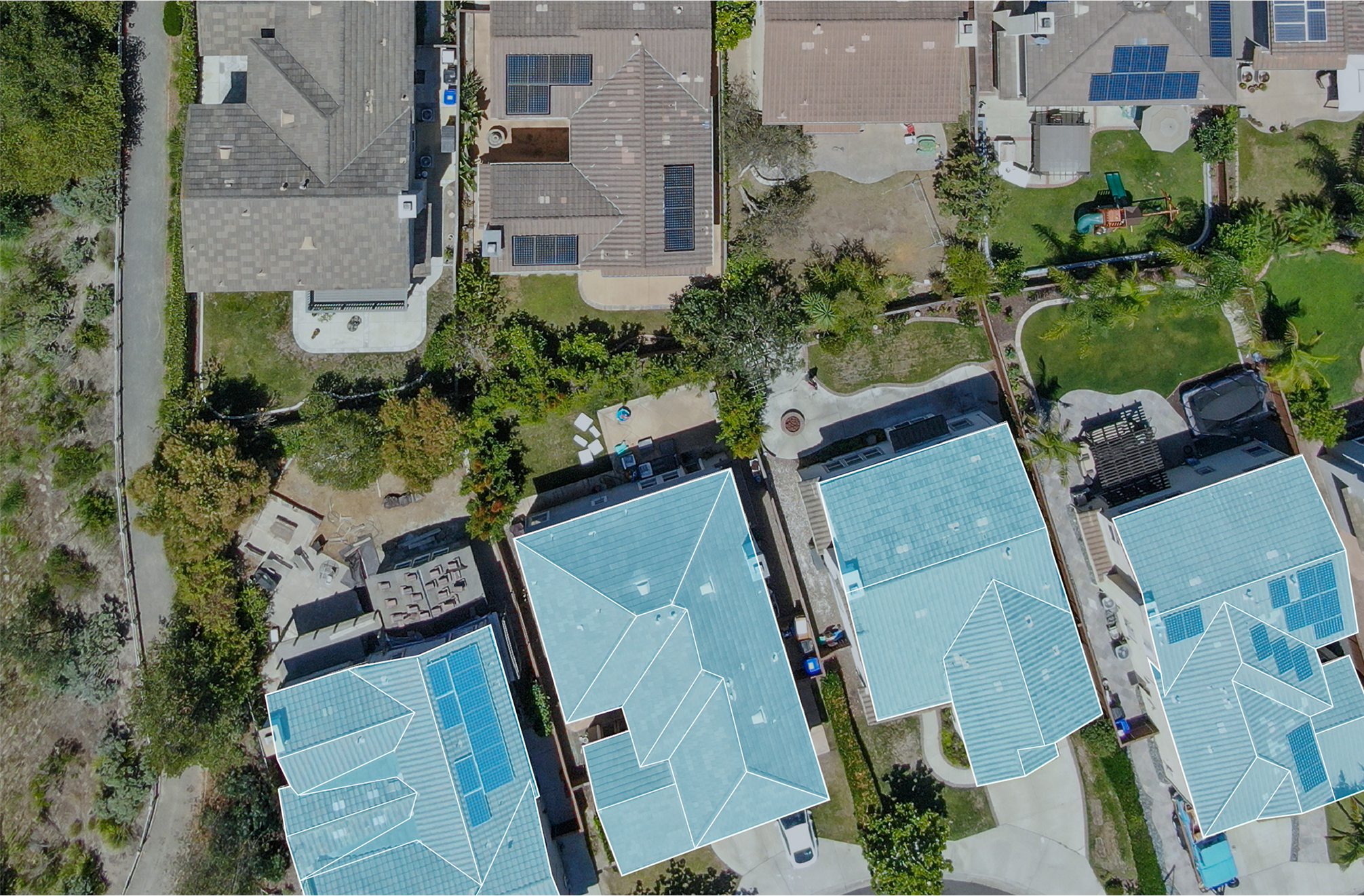
Tucson commercial roof inspections on a cycle that matches what the Sonoran Desert actually does to a flat roof — a pre-monsoon inspection in May before the convective season opens, and a post-monsoon inspection in October after the saturation events. Each inspection produces a zone-keyed photo log with scope columns, not a paragraph summary that nobody can act on six months later.
The inspection cycle that makes sense for Dallas or Chicago does not make sense for Tucson. Post-winter and post-summer are not the inflection points here. In Tucson, the inspection calendar follows two events that actually drive roof deterioration: the pre-monsoon window in May, when you have four to six weeks to find and repair every compromised seam and blocked drain before convective storms arrive, and the post-monsoon assessment in October, when you document what the July-through-September events revealed about the membrane's condition.
A pre-monsoon inspection is not a general wellness check. It is a targeted assessment of every drain bowl, scupper, and overflow drain on the roof — because blocked drains are the mechanism by which a manageable roof becomes a soaked building after a monsoon cell drops an inch of rain in forty minutes. It is a probe test of field seams that have been under UV load since the prior fall, because seam integrity is where the Sonoran Desert's UV Index 11-plus exposure does its worst work. And it is a photographic baseline that documents pre-storm condition for any insurance claim that the coming monsoon season might generate.
Our inspection protocol produces a zone-keyed deliverable — a numbered zone diagram of the actual roof, a photo log organized by zone number, and a scope-column matrix that assigns monitor, repair-now, or budget-for-replacement to each zone. That format is what makes an inspection report usable at budget season, usable in a warranty claim, and usable when the roof changes hands. A one-page form letter is not usable for any of those purposes. Every institution in Tucson that manages a significant building portfolio — from the University of Arizona facilities team to Raytheon's campus operations to the Pima County facilities division — eventually arrives at the same conclusion: the documentation has to survive the people who created it.
Pre-Monsoon Inspection — May Protocol
Drains, scuppers, and overflows: Every drain on the roof is cleared, flow-tested, and photographed. We document the drain-bowl membrane condition and note any drain that sits elevated relative to the surrounding field membrane — a drain that has shifted even a quarter-inch above field level due to thermal cycling or structural movement will pond water after any significant rainfall. We flag these for immediate repair before June because they are the most predictable cause of monsoon-season interior water damage.
Seam and lap probe test: Every accessible field seam, lap, and T-joint on single-ply roofs receives a probe test. The Sonoran Desert's thermal cycling — daily swings of 30 to 40 degrees in spring — stresses seam bonds between inspection cycles. We flag any seam that fails probe test and log it by zone number for repair prioritization. Seams that fail in May can be repaired in four to six weeks before the first significant monsoon event. Seams discovered in July during an active storm response cannot.
Parapet and penetration flashings: Parapet flashings on Tucson commercial roofs receive direct low-angle solar radiation from the east and west throughout the year. Oxidation and shrinkage of flashing membrane at parapet returns is the second most common entry point for monsoon water intrusion, after blocked drains. We photograph every parapet flashing run by zone and document any shrinkage, separation, or loss of adhesion. Penetration flashings around rooftop mechanical equipment, conduit clusters, and curb assemblies receive the same treatment.
Post-Monsoon Inspection — October Protocol
The October inspection documents what the monsoon season revealed. If the roof performed without interior leaks, the inspection confirms which zones are holding and builds the documentation baseline for the coming year. If monsoon events produced water entry, the inspection identifies the intrusion path — distinguishing between a discrete membrane failure, a drain-overflow condition from an undersized or blocked drain, and a parapet overtopping condition — so the scope of repair is specific rather than exploratory.
Moisture assessment after monsoon: Any zone where membrane conditions or interior ceiling reports suggest possible moisture intrusion gets flagged for escalation to core sampling. In Tucson, the monsoon saturation pattern is often concentrated at drain pans and parapet corners — the same locations that accumulate debris and hold standing water during intense convective events. We do not automatically schedule core sampling without discussing the escalation with the building owner, but we identify the zones where visual inspection has reached its detection limit.
Documentation for institutional accounts: For portfolio owners like Pima County asset management, Banner Health facilities, or University of Arizona Facilities Management, the October inspection report closes out the monsoon season documentation cycle. Each building's zone-keyed record is updated with the season's findings. Any repairs performed during the monsoon season are logged against the relevant zone. The record is then available for capital planning and warranty maintenance submissions before the year-end review window.
Deliverable Format — Zone-Keyed Log and Scope Columns
Every inspection produces a zone diagram with numbered zones, a photo log organized by zone number, and a condition matrix with scope columns: (1) No action — document and monitor; (2) Repair now — repair within 30 days to prevent further deterioration or warranty exposure; (3) Budget for replacement — this area is at or past serviceable life and belongs in the next capital cycle.
The zone diagram is the permanent record. Raytheon facilities managers who run multi-building campus programs, DMAFB contractor coordination teams, and Pima Community College facilities staff all face the same institutional challenge: the person who managed the roof last year may not be managing it this year. The zone diagram and the inspection history indexed to it survive staff transitions. The tenth inspection on a building we have maintained can be compared zone by zone with every prior inspection — that trend data is what separates a defensible capital recommendation from an educated guess.
Frequently asked questions
How often should a Tucson commercial roof be inspected?
Twice per year, timed to the Tucson climate cycle: pre-monsoon in May and post-monsoon in October. The pre-monsoon inspection is the higher-priority of the two — finding and repairing compromised drains and seams before the convective season opens is what prevents the most expensive monsoon-season damage. Post-monsoon closes out the season's documentation. Most manufacturer warranty programs require documented biannual maintenance, and the Tucson cycle aligns with what the climate demands.
Can inspection reports support an insurance claim after a monsoon event?
Yes, when the pre-storm inspection is documented specifically enough. After a monsoon event, insurance adjusters ask for evidence of pre-existing damage versus storm damage. A zone-keyed photo log with dated pre-monsoon inspection records documents which defects existed before the storm and which conditions developed during the event. A vague prior inspection report does not support that distinction. The May inspection is partly a storm-claim preparation exercise for the season that follows.
Do you inspect University of Arizona or Banner Health buildings?
Yes. UA Facilities Management oversees all roof work on the main campus and UA Tech Park, and we work within their documentation and procurement requirements. Banner Health campuses — Banner University Medical Center Tucson on Campbell, Banner UMC South, and Oro Valley Hospital — require infection-control coordination and scheduling approval for occupied floor adjacency. Inspection scheduling on both types of accounts is coordinated through the facilities management team, not through general office contacts.
What if we have no prior inspection records on a building we just acquired?
The first inspection establishes the baseline. We produce a zone diagram keyed to the actual current roof configuration, document every finding against that diagram, and start the condition record from a defined point in time. The value compounds with each subsequent inspection. For acquisitions where prior records exist from a different contractor, we note the transition clearly and do not integrate prior undocumented reports into our zone-keyed record.
Schedule a pre-monsoon or post-monsoon inspection for your Tucson commercial roof.
We walk the roof, produce a zone-keyed photo log with scope columns, and deliver a report you can use for capital planning, warranty support, or insurance documentation. Call 520-523-6122 or use the form below.
Ready to talk through a roof?
Tell us about the building and the roof problem. We'll document it and put a plan in writing — with an honest repair-vs-replace recommendation and no upsell pressure.
Documented, repair-first commercial & industrial roofing across Tucson and Pima County. Flat and low-slope systems for occupied buildings, planned around your operation.
Services
© 2026 Commercial Roofing Contractors Tucson. All Rights Reserved. Privacy Policy · Terms of Use