
Medical Building Roofing in Tucson
Commercial roof replacement and maintenance for Tucson hospitals and medical office buildings — Banner UMC, TMC, St. Joseph, St. Mary's, and Carondelet Heart & Vascular — with infection control coordination, hot-work permits, and off-hours scheduling.
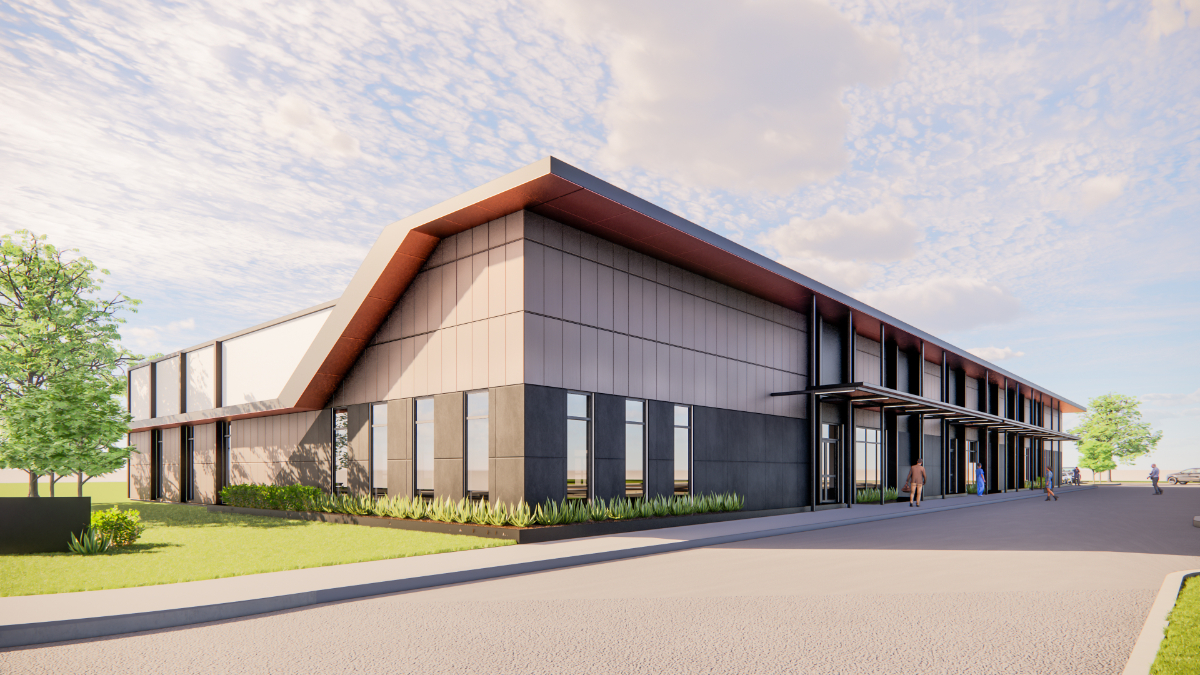
Tucson's hospital campuses — Banner University Medical Center on Campbell Avenue, TMC HealthCare on South Rincon, St. Joseph's Hospital in midtown, St. Mary's Hospital near downtown, and Carondelet Heart & Vascular — represent some of the most operationally demanding roofing environments in the commercial market. Infection control, hot-work permits, occupied-floor scheduling, and facility-specific documentation standards are non-negotiable on these projects.
Tucson's healthcare campus inventory is defined by five major hospital systems operating occupied, 24-hour facilities with regulatory compliance requirements that extend to every trade contractor working on or above occupied patient floors. Banner University Medical Center Tucson on North Campbell Avenue and Banner UMC South serve the University of Arizona Health Network. TMC HealthCare on South Rincon Avenue is a standalone regional medical center. St. Joseph's Hospital on North Wilmot Road and St. Mary's Hospital on West St. Mary's Road are part of Carondelet Health Network. Carondelet Heart & Vascular Institute operates specialized cardiac facilities with stringent equipment-vibration requirements. Each campus has its own facilities management team, infection-control protocols, and contractor pre-qualification requirements.
Beyond the major hospital campuses, Tucson's medical-office building inventory — concentrated along North Campbell Avenue, the Banner Health Oro Valley campus on La Canada Drive, the Rincon Medical Office Building corridor, and the midtown physician-office strip along Broadway and Speedway — represents a second category with different constraints. Medical-office buildings are occupied during business hours, have HVAC systems sized for clinical air-quality requirements, and house radiology and imaging equipment sensitive to vibration. Pre-construction coordination on medical-office projects is less intensive than hospital campus work, but the standard for tenant protection and HVAC management is higher than a standard professional office building.
We have a written pre-construction protocol for healthcare facilities that covers every item a Tucson hospital facilities manager needs before approving a contractor to mobilize: infection-control measures, hot-work permit process, odor-generating operation scheduling, HVAC intake coordination, and the tenant-notification timeline. This protocol is not a template we produce on demand — it is the starting point for every medical-facility project we take on.
Hospital Campus Protocols: Banner, TMC, Carondelet
Banner University Medical Center Tucson on North Campbell Avenue operates as a Level 1 trauma center with active patient census 24 hours a day. Roofing work on Banner UMC Tucson requires pre-construction coordination with Banner's Facilities and Safety teams, a written infection-control risk assessment for any work above or adjacent to patient care areas, and hot-work permits issued by Banner's Environment of Care department for any torch-applied work or generator operations. We initiate this coordination six to eight weeks before project start — the permit and assessment process is not a same-week approval.
TMC HealthCare on South Rincon Avenue has a similar pre-construction requirement structure administered through its own facilities management team. St. Joseph's and St. Mary's — part of the Carondelet/Dignity Health network — require contractor pre-qualification through the Carondelet facilities procurement process. Carondelet Heart & Vascular Institute has additional requirements around rooftop vibration from equipment during operating-room procedure windows. We identify the applicable approval pathway for each campus during the inspection walk and initiate the pre-qualification process before the scope is finalized.
All hospital campus projects include the following baseline elements in our project plan: daily work-area inspection and debris containment verification before crew departure, written communication to the facilities coordinator at the start and end of each day's work scope, immediate escalation protocol if any roof penetration or membrane work creates conditions that could affect interior air quality, and a same-day written incident report if any roof-related water infiltration occurs regardless of whether it reaches occupied patient areas.
Medical Office Building Roof Work in Tucson
The North Campbell Avenue medical-office corridor — running from Banner UMC Tucson south through the UA Health Sciences campus and into midtown — is one of Tucson's densest concentrations of physician group offices, specialty practice buildings, and outpatient surgery centers. Most buildings in this corridor were constructed in the 1980s through 2000s and are in active reroof cycles. The typical constraint profile is occupied clinical spaces during business hours, radiology or imaging equipment on upper floors with vibration sensitivity, and HVAC systems sized for clinical air quality that cannot tolerate odor or particulate infiltration.
We schedule loud demolition work — tear-off, deck preparation — for early-morning windows before clinic open or after clinic close when patient census is minimal. On buildings with radiology equipment, we coordinate with the practice's imaging technician to identify procedure windows where vibration is most problematic and schedule deck work around those windows. HVAC intake management is part of every medical-office roof project we take on, regardless of whether the building is a hospital campus or a private physician group office.
Permit management for medical-office roof work in the City of Tucson follows standard Development Services Center commercial roof permit requirements, with the addition that any building with Joint Commission accreditation may require a copy of the building permit and contractor license documentation for the facility's compliance records. We provide this documentation on request as part of standard project closeout.
Membrane and Insulation for Healthcare Facilities
TPO and PVC are the standard Tucson healthcare roofing specifications for the same reasons they dominate the broader commercial market: IECC 2018 reflectivity compliance, rooftop temperature reduction, and manufacturer warranty paths. The additional factor on hospital campuses is chemical resistance — some hospital HVAC systems exhaust chemical compounds that degrade standard TPO formulations faster than UV alone. We verify exhaust chemistry with the facility's HVAC team and specify membrane accordingly when chemical resistance is a documented concern.
Rooftop equipment density on hospital campuses is typically higher than any other building type in the Tucson market. Multiple rooftop air-handling units, exhaust fans, medical-gas equipment stacks, emergency generator exhaust, and communications hardware create flashing detail complexity that drives the labor cost well above what deck area alone would suggest. We document every penetration during the inspection walk and include a flashing-detail plan in the project scope before any contract is signed.
Silicone coating restoration is a viable capital option on Tucson healthcare buildings where the substrate is dry and the building has a 10-to-15-year planning horizon. We pull moisture cores before recommending coating on any healthcare facility and deliver the core map with the scope recommendation. The advantage on a hospital campus is minimal disruption — coating application over an intact membrane generates far less debris, vibration, and odor than tear-off and replacement.
Frequently asked questions
How far in advance do you initiate pre-construction coordination with Banner UMC or Carondelet?
Six to eight weeks before planned project start for major hospital campuses. The infection-control risk assessment, hot-work permit, and contractor pre-qualification processes at Banner, TMC, and Carondelet are not same-week approvals. We initiate these processes as soon as the project scope is agreed — waiting until contract signing to start pre-construction coordination adds delay to hospital campus projects.
How do you handle roofing near operating rooms or patient care areas at Tucson hospitals?
We identify patient care adjacency during the inspection walk and include a written sequencing plan that avoids loud demolition, vibration-generating equipment, and odor-producing operations during hours when adjacent patient care areas are at peak occupancy. Production above operating room floors is scheduled during documented off-hours windows approved by the hospital's facilities coordinator. No work above patient care areas begins without written facilities-team sign-off on the daily scope.
Do you manage infection control documentation for hospital roof projects?
Yes. We complete the Infection Control Risk Assessment (ICRA) matrix required by Joint Commission standards for construction activities adjacent to patient care areas. The ICRA, along with hot-work permits and daily work-scope communications, is maintained in the project file and provided to the hospital's Environment of Care team at closeout.
Can you work on medical office buildings along North Campbell Avenue during business hours?
Yes, with proper scheduling. Loud demolition work — tear-off, deck preparation — is scheduled before clinic open or after clinic close. Membrane installation, seaming, and flashing work that does not generate significant vibration or odor can proceed during business hours with HVAC intake coordination in place. We provide the clinic's front-office manager with daily start and stop times and a contact number for any tenant concern that comes up during the work day.
Get a medical-facility roof scope for your Tucson healthcare building.
Our project managers will walk the roof, document equipment penetration density, and initiate the pre-construction coordination with your facilities team — ICRA, hot-work permits, and scheduling plan — before any production date is set.
Ready to talk through a roof?
Tell us about the building and the roof problem. We'll document it and put a plan in writing — with an honest repair-vs-replace recommendation and no upsell pressure.
Documented, repair-first commercial & industrial roofing across Tucson and Pima County. Flat and low-slope systems for occupied buildings, planned around your operation.
Services
© 2026 Commercial Roofing Contractors Tucson. All Rights Reserved. Privacy Policy · Terms of Use