
Parking Structure & Deck Waterproofing in Tucson, AZ
Commercial roofing for parking structure & deck waterproofing in Tucson, AZ — specifications, scheduling, and project coordination for this building type.
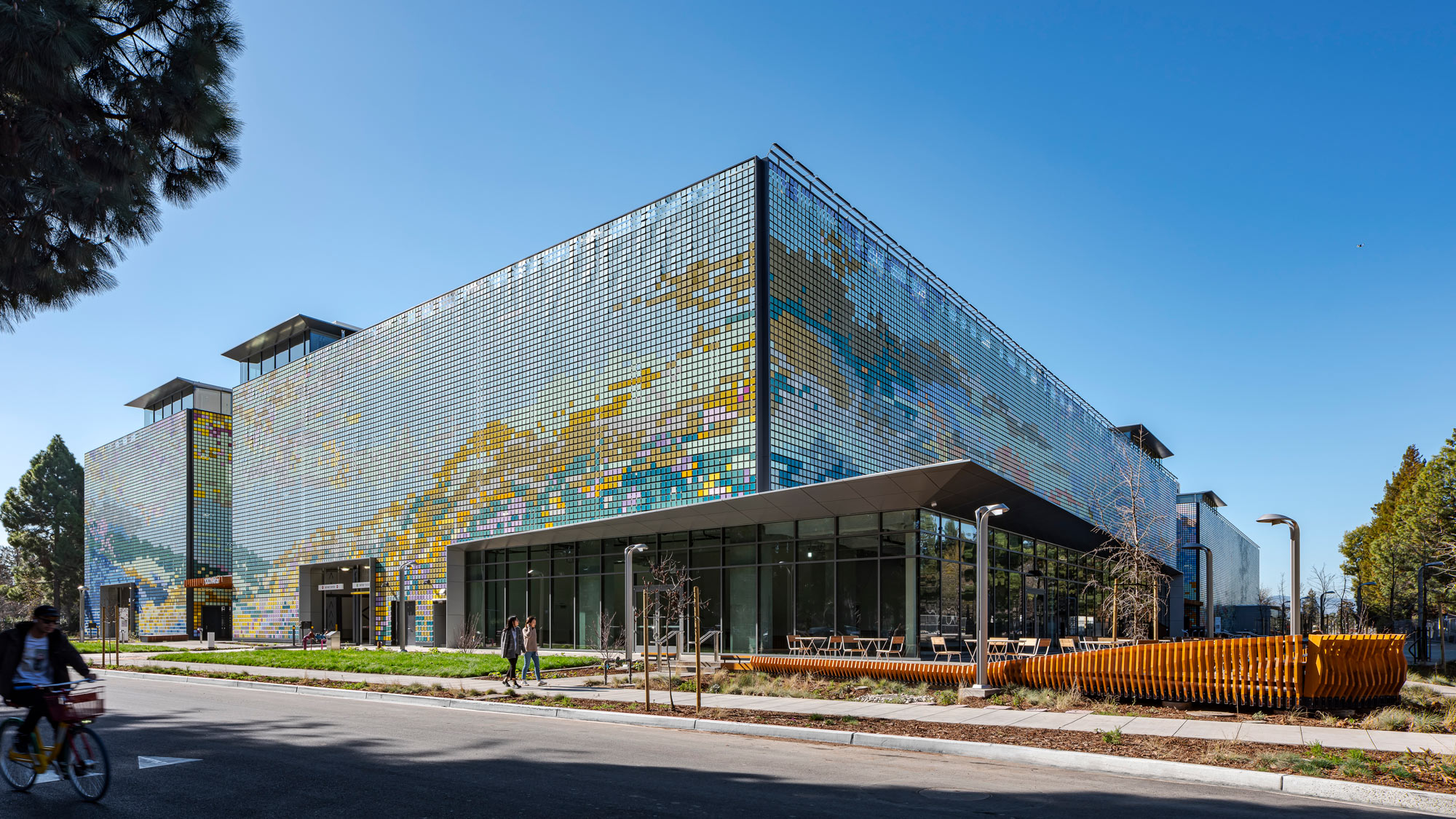
Tucson's commercial corridors span the I-10 and I-19 industrial belts, the Tech Park and UA Tech Launch Arizona campus zone, the Speedway and Broadway retail corridors, and the Raytheon and Davis-Monthan support area. Parking structures in this market are among the highest-risk roofing scopes for deferred maintenance — concrete deck deterioration from chloride intrusion progresses invisibly until visible spalling and rebar corrosion require structural remediation far more expensive than the waterproofing that would have prevented it.
top of page Property Type Mixed-Use Development Roofing in Tucson, AZ Tucson's commercial corridors span the I-10 and I-19 industrial belts, the Tech Park and UA Tech Launch Arizona campus zone, the Speedway and Broadway retail corridors, and the Raytheon and Davis-Monthan support area.
Parking structure waterproofing in Tucson is a structural protection discipline — not a roofing application dressed up in waterproofing language. The membrane system on a parking deck is protecting reinforced concrete from chloride intrusion: the process by which road salt, deicing chemicals, and atmospheric chlorides migrate through the concrete matrix to the embedded rebar and initiate corrosion. Once rebar corrosion begins in a parking structure, the structural repair cost dwarfs the waterproofing cost that would have prevented it. The membrane is protecting the building's structure, not just its interior contents.
Traffic-bearing waterproofing membranes for parking structures in Tucson are fundamentally different products from roofing membranes. Polyurethane and MMA (methyl methacrylate) vehicular traffic systems are engineered to flex under vehicle load cycling — the repeated compression and release as tires traverse the deck surface — without fatiguing or delaminating from the substrate. EPDM and TPO membranes are not rated for vehicular traffic. Applying a roofing membrane to a parking deck produces a system that will fail within 2-3 years under tire traffic load. We specify polyurethane or MMA traffic systems for every parking deck — not roofing membranes applied to a concrete substrate.
The intermediate deck specification for a parking structure in Tucson differs from the top deck. The top deck carries both traffic load and direct exposure to UV, precipitation, and freeze-thaw cycles. Intermediate decks carry vehicle traffic from above but are sheltered from direct weather exposure. The top deck specification is the most demanding — UV-stable topcoat, maximum chemical resistance, maximum freeze-thaw rating. Intermediate decks can use a base system without the UV topcoat requirement, which reduces cost without sacrificing traffic-bearing performance. We design each deck level's system to its specific exposure conditions.
Parking Structure Waterproofing — Technical Questions
Polyurethane systems cure at room temperature over 4-8 hours and offer excellent chemical resistance and flexibility. MMA systems cure very rapidly (30-60 minutes) which allows faster return-to-service and reduces cold-weather installation constraints — MMA can be applied at temperatures as low as -20°F. For parking structures that need rapid return-to-service for operational reasons, MMA is the preferred system. For standard commercial parking structures in Tucson's climate, both systems are appropriate and the selection is typically driven by contractor preference and specified aggregate finish.
Substrate assessment includes: delamination sounding across the full deck surface, core sampling at representative locations to assess carbonation depth and chloride content, visual mapping of existing crack patterns and joint conditions, and drain area condition assessment. The core sample results determine whether rebar corrosion has already begun — if corrosion is documented, structural repair of the affected sections precedes waterproofing. Applying a membrane over corrosion-active concrete delays the structural problem without solving it.
Aggregate broadcast density and particle size determine the slip resistance of the finished surface. Most Tucson parking deck specifications require a minimum of 40 pounds per 100 square feet of quartz aggregate broadcast at the topcoat stage, producing a slip resistance coefficient of 0.6 or higher (measured by ASTM C1028). Ramp surfaces require higher aggregate density — typically 60-80 pounds per 100 square feet — to meet code requirements for sloped vehicular surfaces. We broadcast aggregate to the specified density and test finished surfaces before construction sign-off.
Full cure time for polyurethane parking deck systems in Tucson's typical ambient temperatures (60-80°F) is 24-48 hours for light vehicle traffic and 72 hours for full truck and emergency vehicle traffic. MMA systems are ready for light vehicle traffic in 1-2 hours under the same conditions. Cold weather significantly extends polyurethane cure times — below 50°F ambient, cure time can double. We never put a deck section back into service before the manufacturer's minimum cure time for the ambient temperature at installation.
The most common failure modes in order of frequency: joint seal failure at expansion joints (movement exceeds seal capacity), drain area delamination (standing water hydrostatically lifts the membrane), surface cracking at non-moving cracks that were not properly routed and filled before membrane application, and UV degradation of polyurethane topcoats that weren't protected with a UV-stable finish coat. All four are preventable with correct specification and installation — and all four are common on price-driven projects that cut corners on joint details, concrete repair, and topcoat selection.
Ready to talk through a roof?
Tell us about the building and the roof problem. We'll document it and put a plan in writing — with an honest repair-vs-replace recommendation and no upsell pressure.
Documented, repair-first commercial & industrial roofing across Tucson and Pima County. Flat and low-slope systems for occupied buildings, planned around your operation.
Services
© 2026 Commercial Roofing Contractors Tucson. All Rights Reserved. Privacy Policy · Terms of Use