
Veterinary Clinic & Animal Hospital Roofing in Tucson, AZ
Commercial roofing for veterinary clinic & animal hospital roofing in Tucson, AZ — specifications, scheduling, and project coordination for this building type.
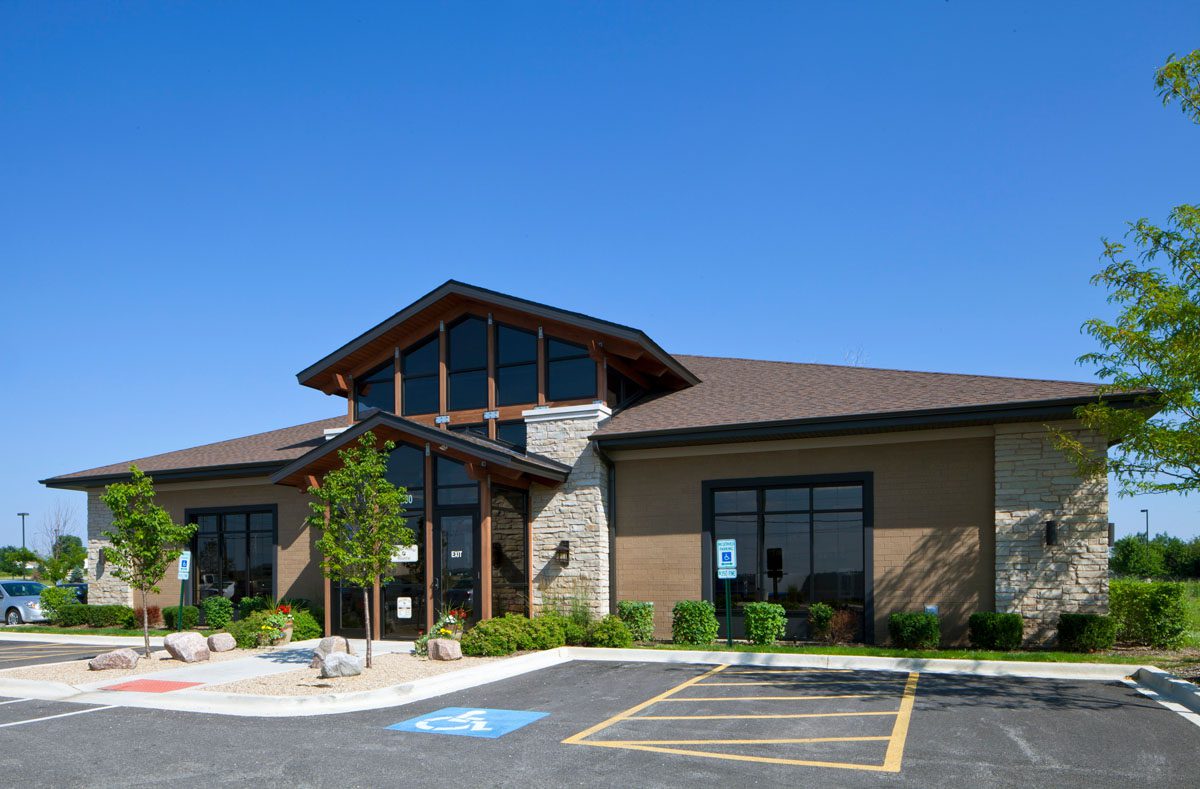
Tucson's commercial corridors span the I-10 and I-19 industrial belts, the Tech Park and UA Tech Launch Arizona campus zone, the Speedway and Broadway retail corridors, and the Raytheon and Davis-Monthan support area. Veterinary clinics and animal hospitals in this market present scheduling and safety constraints specific to facilities where animal welfare governs the work window — surgery and treatment schedules, boarding facility occupancy, and odor-control HVAC penetration requirements all factor into the project coordination plan before mobilization.
top of page Property Type Medical Building Roofing in Tucson Tucson's hospital campuses — Banner University Medical Center on Campbell Avenue, TMC HealthCare on South Rincon, St.
Veterinary facility construction in Tucson intersects with state licensing requirements that govern the physical plant standards for licensed animal hospitals. AZ's State Board of Veterinary Medical Examiners (or equivalent licensing authority) establishes minimum facility standards for licensed veterinary practices — and the building envelope is implicitly regulated through the standards for sanitation, safety, and equipment maintenance that these standards require. A veterinary practice that experiences a roofing failure affecting the sterilization area, the surgical suite, or the isolation ward may face licensing board inquiry into whether facility standards were maintained. Documentation of a proactive roofing program provides evidence that they were.
Building code compliance for veterinary facility re-roofing in Tucson follows the occupancy classification of the building — typically B (business) or I-2 (institutional, like a human hospital) depending on how the jurisdiction classifies animal hospitals. I-2 classification, where it applies, imposes more stringent requirements for construction materials, fire protection, and life-safety systems than B classification. We confirm the occupancy classification with the Tucson building department before submitting the permit application and specify materials that meet the classification requirements. Classification affects both the material specifications and the inspection sequence.
Medical waste disposal regulations in AZ may intersect with veterinary clinic re-roofing when demolition materials are potentially contaminated. Roofing demolition above a veterinary hospital's surgical area or pharmacy — where controlled substances or biologics may have vaporized onto surfaces over years of operation — requires waste characterization before disposal. We include waste characterization as a standard pre-demolition step for sections above regulated areas in veterinary hospital roofing projects and provide the waste disposal manifest as a closeout deliverable.
Veterinary Clinic Roofing — Regulatory Questions
AZ's veterinary licensing board publishes facility standards that include minimum requirements for surgical suite sanitation, sterilization area conditions, isolation ward separation, and equipment maintenance. While roofing is not directly enumerated in most facility standards, the conditions that a compromised roof creates — moisture in HVAC systems above surgical areas, standing water near sterilization equipment, compromised isolation negative pressure — affect compliance with the standards that are directly inspected. A documented maintenance program and current warranty support compliance evidence during a licensing inspection.
Veterinary hospitals are classified as B (business) occupancy in most Tucson jurisdictions — the same classification as a human medical office. Some jurisdictions classify full-service animal hospitals with overnight boarding as I-2 (institutional), which imposes more stringent requirements. The occupancy classification determines the applicable material standards and inspection requirements for the re-roofing project. We confirm the classification with the Tucson building department before permit application — a misclassified permit application creates delays when the correction is discovered during plan review.
Veterinary practices with DEA Schedule II-IV controlled substance registrations must maintain secure storage and access control for controlled substances at all times — including during construction. Roofing work that requires access to the building interior above or adjacent to the pharmacy or controlled substance storage area must be coordinated with the DEA registrant (the practice owner) to ensure that no construction activity creates a period of unsecured access to controlled substances. We include pharmacy security coordination in our pre-construction checklist for veterinary hospital projects.
Roofing demolition materials from above a veterinary hospital's regulated areas — surgical suite, pharmacy, laboratory — require waste characterization before disposal if there is any possibility that demolition materials have been contaminated by vapors, aerosols, or spills from regulated activities below. Characterization involves sampling and laboratory analysis of representative demolition material to confirm whether any regulated waste streams are present. If analysis confirms contamination, the affected materials are disposed of under the applicable hazardous waste or medical waste regulations. We include the characterization sampling as a standard pre-demolition step for regulated area sections.
Standard commercial roofing OSHA requirements apply — fall protection, hazard communication, and ladder safety. For veterinary hospitals, additional considerations include: anesthetic gas exposure (WAG scavenging systems can emit near-zero concentrations of halogenated agents — we monitor ambient air near active WAG stacks before deploying crew near those penetrations) and zoonotic disease exposure awareness (crew working in or above animal housing areas receive a site-specific hazard briefing on biosafety precautions for the specific species at the facility). These briefings are documented and included in the project safety record.
Ready to talk through a roof?
Tell us about the building and the roof problem. We'll document it and put a plan in writing — with an honest repair-vs-replace recommendation and no upsell pressure.
Documented, repair-first commercial & industrial roofing across Tucson and Pima County. Flat and low-slope systems for occupied buildings, planned around your operation.
Services
© 2026 Commercial Roofing Contractors Tucson. All Rights Reserved. Privacy Policy · Terms of Use