
Roof Drain Cleaning and Repair in Tucson, AZ
Internal drain repair, replacement, and scupper clearing for Tucson commercial flat roofs — desert-dust obstruction clearing, ponding correction, and emergency drain service before and after monsoon season.
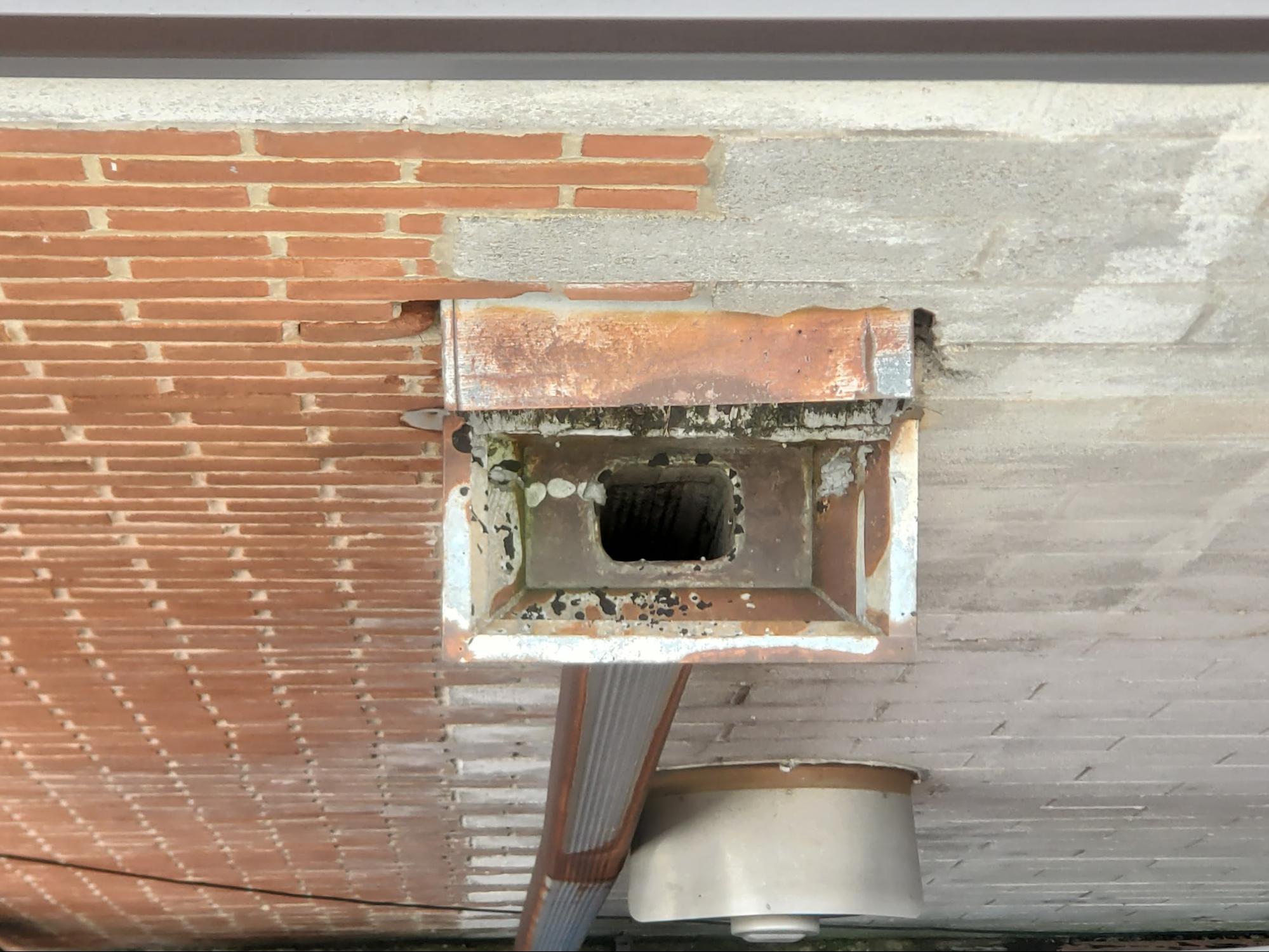
In Tucson, drains pack with desert dust, Palo Verde flower debris, and monsoon-delivered organics — and in the Sonoran Desert's low humidity, that dry debris can fully obstruct a drain without any visible moisture signal. A blocked drain before monsoon season is the fastest path from a functioning roof to an interior water claim.
A commercial flat roof drain has one job: move water off the roof fast enough that ponding does not accumulate to a depth that stresses the membrane or overloads the structure. In Tucson, drain failure takes a form that is unique to the Sonoran Desert environment: debris obstruction by dry material. In a humid climate, blocked drains typically show visible wet debris or obvious standing water. In Tucson, a drain can be 70% blocked by a compacted layer of desert dust, Palo Verde petals, cottonwood seed, and windblown grit — all dry, all invisible from the roof surface — and then fail completely when the first monsoon event of the season dumps an inch of rain on the building in 45 minutes.
Tucson monsoon events are fast and intense. The National Weather Service Tucson records show single-event totals exceeding two inches at Tucson International Airport, with higher totals in the foothill and mountain-adjacent corridors where orographic enhancement amplifies storm intensity. A four-inch internal drain that is 60% blocked by dry desert debris cannot clear a two-inch-per-hour event — the roof surface fills, water backs up against perimeter flashings that were managing fine under normal drainage, and an otherwise sound roof produces an interior water claim because the drain was not serviced before monsoon season.
We clean, repair, and replace drains across the full range of internal drain components on Tucson commercial buildings. Pre-monsoon drain service is one of the most impactful single maintenance items for Tucson flat-roof buildings — clearing drains in May or June before the July storm season opens is what separates buildings that get through monsoon unscathed from buildings that call us in August with interior water damage.
Internal Drain Replacement
A drain bowl that has corroded through at the clamping ring seat — common on older cast-iron drain bodies that have been subject to standing water and the concentrated salts that the Sonoran environment deposits at low points as water evaporates — cannot be repaired by retightening the ring. The bowl has to come out. We core through the roofing system, extract the failed bowl, inspect the drain leader connection for corrosion, install a new drain body with a compatible flashing ring, and integrate the new bowl into the membrane system with the manufacturer's specified flashing detail.
Drain leader connections are sometimes the source of slow leaks that resemble roof leaks but originate below the roof surface. A leader joint that has separated allows water entering the drain to exit into the ceiling plenum before reaching the storm system. We scope drain leaders with a camera when interior leak evidence is consistent with a drain location but the drain bowl itself looks intact.
Drain replacement on occupied Tucson commercial buildings requires temporary bypass draining while the new drain body cures. We plan the work sequence around the monsoon-season forecast and stage temporary drainage provisions so the building is not left without drainage capacity if a storm develops during the work window.
Scupper Repair and Clearing
Scuppers — the through-wall or through-parapet overflow openings that serve as secondary drainage — are consistently the most neglected drain component on Tucson commercial buildings. Primary drains receive at least occasional attention; scuppers accumulate years of desert debris, rusting metal liners, and cactus wren or swallow nesting material without being touched. A scupper that cannot function as emergency overflow provides no protection when the primary drain is overwhelmed by a fast-moving monsoon cell.
We clear scuppers of debris and inspect the metal liner and exterior face of the opening. Scupper liners that have corroded or separated from the parapet face allow water to infiltrate the parapet wall assembly from behind rather than channeling it cleanly through the wall opening. We replace failed liners with stainless or aluminum fabricated units sealed into the parapet with backer rod and polyurethane sealant.
On Tucson commercial buildings where scuppers serve as primary drainage rather than overflow — common on lower-budget construction in the industrial corridors along Tucson Boulevard and the Airport Authority zones — we size the scupper openings against the roof area they drain and verify they can handle the peak-flow monsoon events their location receives. Scuppers that were adequate for original design loads but have been partially blocked by parapet modifications or accumulated sealant over successive repair cycles are a routine finding on our inspection routes.
Ponding Correction
Ponding deeper than one inch at 48 hours after a rain event is a building code violation under IBC and most Tucson-area jurisdictions. Chronic ponding on a Tucson commercial roof also accelerates UV damage — standing water concentrates salts and particulates that the dry desert air deposits on the membrane surface, and repeated wet-dry cycling stresses seams and promotes algae growth that retains moisture against the membrane between storm events.
We address ponding at the source. If the drain is functioning and ponding results from insufficient roof slope, the correct repair is tapered insulation fill directing water to the drain. If the drain has settled or shifted below the roof's actual low point — a common condition on older Tucson commercial buildings where thermal cycling and long-term deck deflection have moved the drain relative to the membrane surface — we reposition the drain or install a secondary drain at the actual low point.
Tapered insulation fill for ponding correction is engineered against an actual elevation survey of the ponded area, not an estimate. We use a laser level to map low points and design the taper package to achieve positive drainage at a minimum 1/4-inch-per-foot slope across the corrected area. On Tucson roofs where summer UV has caused the membrane to oil-can or the deck to deflect asymmetrically, the actual low point is sometimes not where it appears on the original architectural drawings.
Frequently asked questions
How often should Tucson commercial roof drains be cleaned?
At minimum, annually — and the pre-monsoon window in May or June is the highest-priority timing. Palo Verde trees flower in April and May across Tucson, releasing large quantities of dry floral debris that packs drain bowls quickly. Buildings surrounded by desert landscaping with native trees should have drains inspected and cleared before the monsoon season opens. Buildings adjacent to construction sites or in open desert corridors may need more frequent clearing due to windblown dust accumulation.
Can a drain be repaired without disturbing the roof membrane?
In some cases. If the clamping ring has failed but the drain body and leader connection are intact, we can sometimes replace the ring and strainer assembly without full bowl extraction. We assess this case by case — the goal is always minimum disturbance to an intact membrane.
What is the cost difference between drain cleaning and drain replacement?
Cleaning a blocked drain — pulling the strainer, clearing desert debris from the bowl, and verifying flow — is a maintenance item, typically a few hundred dollars per drain. Full drain replacement including bowl extraction, membrane integration, and leader inspection is a repair item that runs significantly higher depending on drain depth and membrane system. We quote both options after the inspection so the decision is based on actual condition, not assumption.
Drains not cleared before monsoon season?
We inspect, clean, and repair — and we address drainage geometry so a blocked drain does not repeat the same ponding damage next storm season.
Ready to talk through a roof?
Tell us about the building and the roof problem. We'll document it and put a plan in writing — with an honest repair-vs-replace recommendation and no upsell pressure.
Documented, repair-first commercial & industrial roofing across Tucson and Pima County. Flat and low-slope systems for occupied buildings, planned around your operation.
Services
© 2026 Commercial Roofing Contractors Tucson. All Rights Reserved. Privacy Policy · Terms of Use