
Data Center Roofing in Tucson
Commercial roofing for Tucson data centers at the UA Tech Park, IO Data Center, DataBank, and DH Tech facilities — uptime-safe penetration protocols, cooling-tower coordination, and change-management documentation.
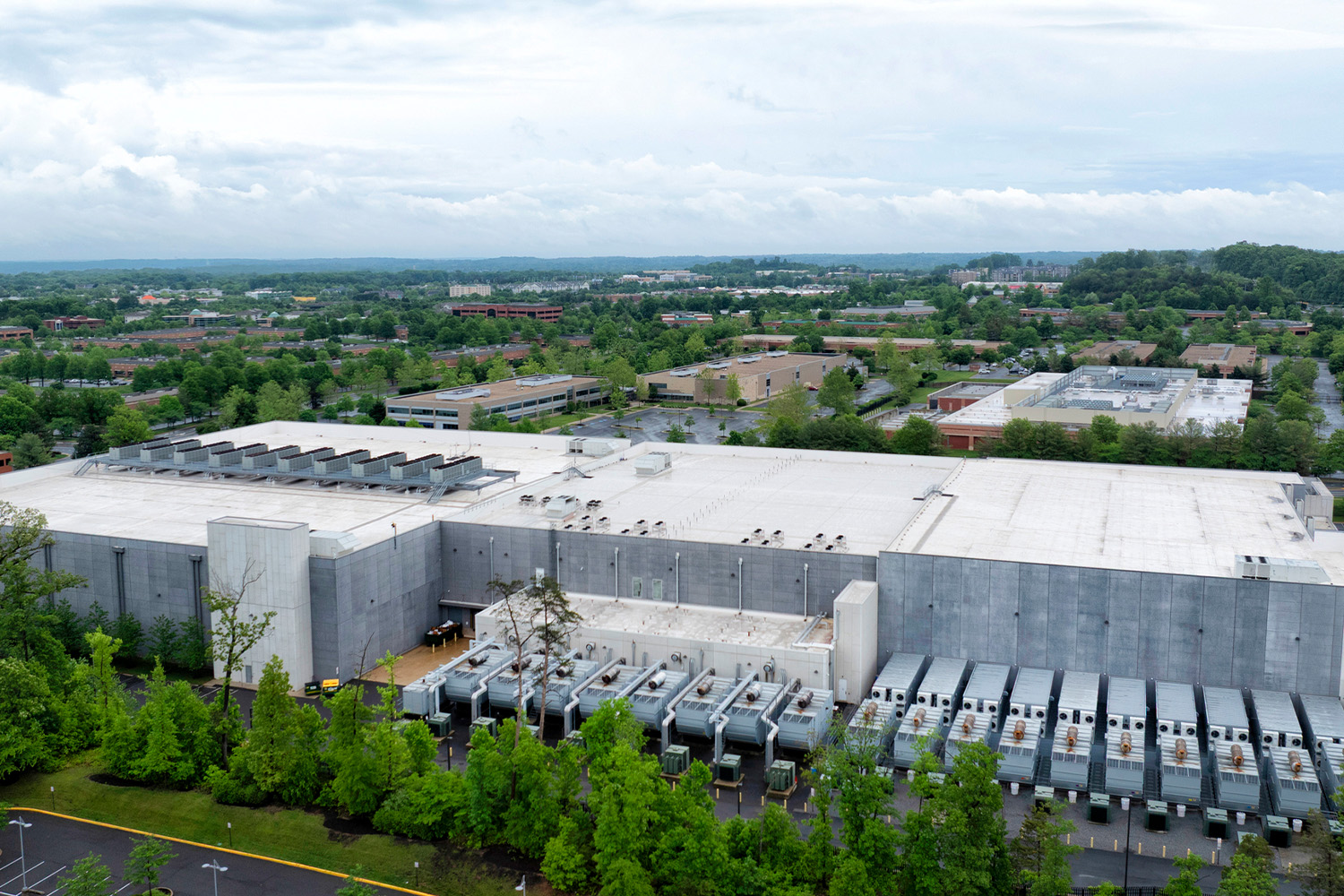
Tucson's data center market is rooted in facilities at the UA Tech Park, IO Data Center, DataBank, and DH Tech — all operating under uptime standards that do not flex for roofing contractors. We structure our production sequencing, penetration protocols, and emergency response around what data center facility managers in the Sonoran Desert actually need.
Tucson has developed a meaningful data center presence concentrated at the University of Arizona Tech Park on Rita Road and in the broader southeast technology corridor. IO Data Center operates a significant facility in this market, DataBank and DH Tech maintain colocation infrastructure serving Arizona enterprises, and the UA Tech Park's defense and technology tenants run mission-critical computing environments with uptime requirements that rival major metropolitan data center markets. The Sonoran Desert climate creates a specific set of challenges for these facilities — extreme rooftop heat loads during summer months stress cooling infrastructure that is already running at capacity during Tucson's 105-degree-plus afternoons.
The absolute rule on data center roofing in Tucson is identical to every other market: you do not cause a cooling event. The precision air A moisture intrusion event into an active electrical room or a cooling interruption from a poorly managed penetration can cascade into rack shutdowns, SLA violations, and significant customer financial exposure. In Tucson's climate, this risk is compounded in summer — cooling systems are running at or near their thermal ceiling for weeks at a time, leaving no margin for unplanned interruptions.
Our project managers have worked with colocation facility managers and enterprise IT infrastructure teams on data center roof projects in Pima County. The change-management documentation requirements are more rigorous than standard commercial construction, the definition of acceptable risk is more conservative, and the production sequencing requires genuine coordination with the facility's operations calendar rather than a contractor-driven timeline.
Penetration Sealing on Tucson Data Center Roofs
Data center roofs in Tucson carry more penetrations per square foot than most commercial building types — conduit bundles, fiber pathways, generator Each penetration is a potential water intrusion point and a potential conduit or fiber damage event if contractor discipline is insufficient.
We inventory every penetration before production begins at any Tucson data center project — photograph, measure, and log each one against a roof zone diagram that the facility manager approves before we start. Every penetration receives individual attention during production: existing flashing stripped, deck inspected and treated where corrosion or moisture damage is found, new curb or pitch-pan flashing installed to manufacturer specification, and a final photograph uploaded to the project log on the day of completion. Fiber conduit penetrations receive a secondary water stop inside the conduit bore — a standard pitch pan seals the annular gap around the conduit, not the conduit interior, which in Tucson's monsoon season can carry water through the roof plane if not addressed.
Facilities at the UA Tech Park that have accumulated penetration add-ons over successive tenant buildouts may have field-fabricated flashings that were never installed to a documented specification. We conduct a penetration audit before presenting a scope on any facility with this history and price the flashing remediation as a separate line item so the facility manager understands what the full roof investment covers.
Cooling System Coordination in the Sonoran Desert
Tucson data center cooling towers face a condition that northern-market facilities do not — ambient dry-bulb temperatures exceeding 105°F during peak summer weeks, with rooftop surface temperatures on dark surfaces reaching 175°F or above. Cooling towers at IO Data Center and similar facilities in the Tucson metro are running at high output from May through September, leaving little thermal margin for any disruption. Roofing work around cooling tower bases and supply-line penetrations must be sequenced for early-morning low-load windows or planned maintenance shutdowns that the facility schedules months in advance.
We ask for access to the facility's maintenance calendar before we finalize any data center production sequence in Tucson. If a cooling tower is scheduled for its annual inspection in October or March — outside the worst of the summer heat load — that is the window for base flashing and supply-line penetration work. We build the rest of the production sequence around that anchor event, which requires the facility manager to trust that we will be ready when the window opens. That is why our mobilization timeline and pre-construction documentation are written into the contract before any schedule commitment is made.
Free-cooling economizers — increasingly common in Tucson data centers because the dry desert air supports evaporative and air-side economization — have specific flashing requirements at their supply and exhaust penetrations. We work those penetrations with temporary cover plates in place during active production, dry-in before end of shift, and document the dry-in state with a photograph in the project log the same day.
Change Management and Closeout Documentation
Tucson data center operators at the UA Tech Park and colocation facilities run formal change-management processes for any contractor activity that could affect infrastructure. Roofing work on an active data center is a change that gets logged, reviewed, and approved before production begins. Our project managers are familiar with this process — we provide the scope description, risk assessment, rollback plan for any penetration work that encounters unexpected conditions, and the after-hours contact chain for any event that occurs outside business hours.
At closeout, we deliver the standard package — manufacturer warranty document, roof zone diagram with penetration log keyed to location photographs, and maintenance contract terms — plus the data center-specific penetration manifest that maps every roof penetration to the infrastructure system it serves. That document becomes part of the facility's infrastructure record and gives every future contractor who touches the roof an accurate inventory to work against rather than guessing at the contents of an unlabeled pitch pan.
For UA Tech Park tenants with defense-sector or government classification requirements — contractors operating under DCSA oversight in proximity to Raytheon Missiles and Defense — we provide personnel documentation and contractor access coordination as required by the tenant's security program. We identify access requirements in pre-construction and do not bring uncleared personnel onto restricted portions of a facility.
Frequently asked questions
Can you work on a live Tucson data center without interrupting cooling systems?
Yes, but it requires the facility manager's active involvement in production scheduling. We build our sequence around the cooling system's maintenance windows and planned low-load periods. We never unilaterally shut down or disturb any mechanical penetration without the facility's written approval for that specific action on that specific date. In Tucson's summer, when cooling systems have no thermal margin, we defer work around active cooling infrastructure to the October-through-April window whenever possible.
How do you handle fiber conduit penetrations at a Tucson data center roof?
We log every fiber conduit penetration before production begins. Each one gets stripped to the deck, a properly-sized pitch pan or curb flashing installed to manufacturer specification, and a secondary water stop placed inside the conduit bore to prevent monsoon-season water intrusion through the conduit path itself. We photograph the completed detail and include it in the penetration manifest delivered at closeout. Crew members are instructed to not route tools or equipment across conduit bundles.
Does Tucson's monsoon season create specific risks for data center roofs?
Yes. A data center roof that has been baking under Sonoran Desert heat all summer faces its greatest water-infiltration risk during the first intense monsoon events of July — membrane seams thermally stressed, sealants dried, parapet flashings near the end of their cycle. Pre-monsoon inspection and drain clearing in June is the most cost-effective protective measure for any Tucson data center. We document drain condition, probe-test exposed seams, and produce a written pre-monsoon punch list as part of our annual maintenance program.
Do you handle data centers at the UA Tech Park?
Yes. UA Tech Park buildings on Rita Road range from standard commercial office to mission-critical computing and defense-sector R&D environments. We coordinate work schedules with individual tenant security requirements, obtain required contractor registrations before mobilization, and document access coordination in the project pre-construction record. UA Facilities Management requirements apply to buildings managed under the Tech Park's university oversight framework.
Need a roofing scope for a Tucson data center or tech facility?
Our project managers will walk the roof, inventory penetrations, and produce a written scope that accounts for your
Ready to talk through a roof?
Tell us about the building and the roof problem. We'll document it and put a plan in writing — with an honest repair-vs-replace recommendation and no upsell pressure.
Documented, repair-first commercial & industrial roofing across Tucson and Pima County. Flat and low-slope systems for occupied buildings, planned around your operation.
Services
© 2026 Commercial Roofing Contractors Tucson. All Rights Reserved. Privacy Policy · Terms of Use