
Bank & Financial Building Roofing in Tucson, AZ
Roofing for bank branches, credit unions, and financial buildings in Tucson, AZ. Small high-visibility flat roofs, drive-through canopy details, security access, and business-hours scheduling.
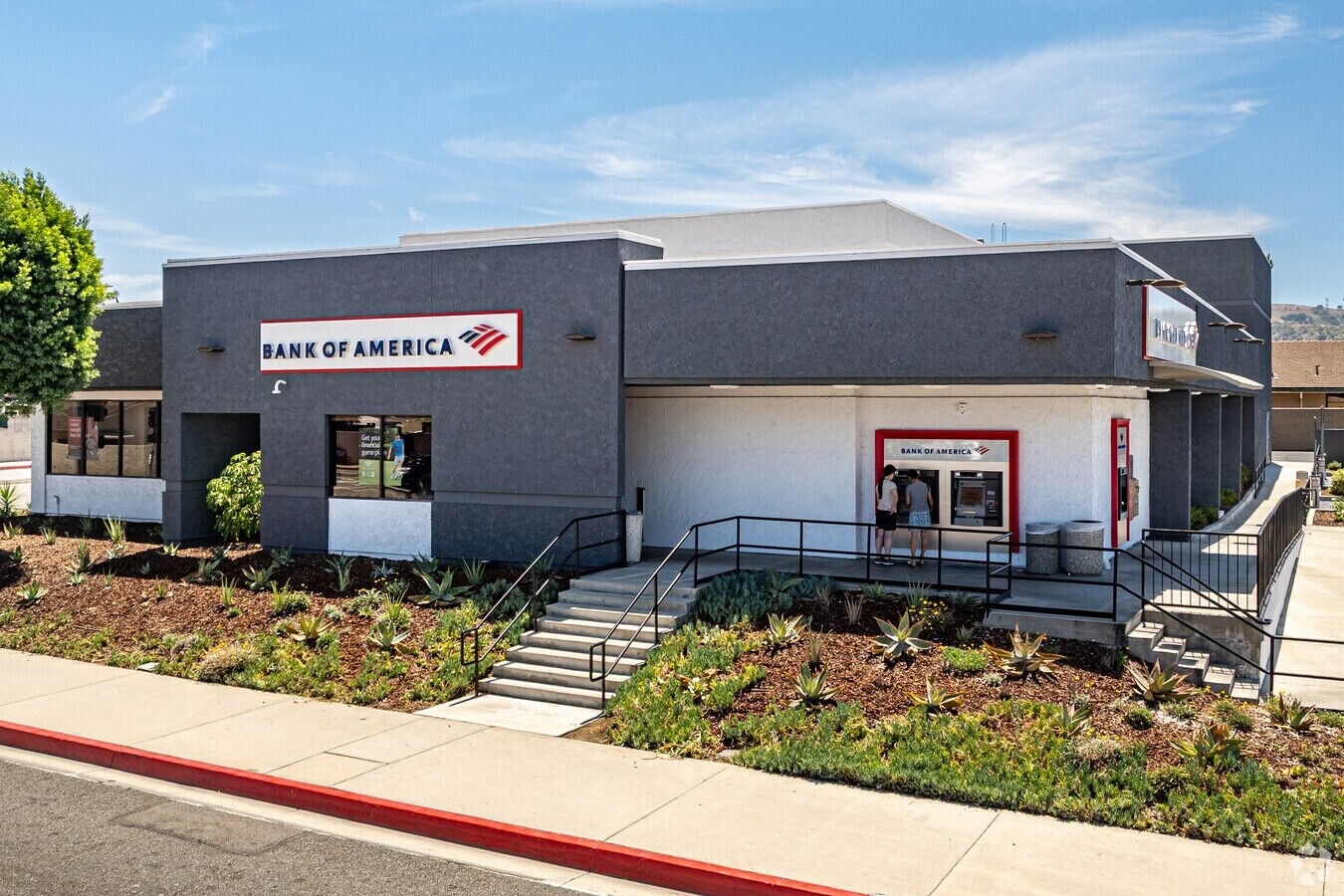
A bank branch is a small roof with outsized consequences. The footprint is modest, but it sits in a high-visibility spot, it carries a drive-through canopy, and the rooms underneath — a vault, a server closet, a teller line full of customers — make even a minor leak an immediate business problem. The technical scope is small; the discipline around it is not. Most of what makes a financial-building roof go well happens before the first fastener, in access coordination and in the canopy detail.
Branch banking in Tucson clusters where the traffic is: the Oracle Road and Ina Road retail strips on the north side, the Broadway and Speedway corridors through midtown, and the East Side along Houghton and Rita Ranch where the suburbs keep expanding. Downtown along Stone Avenue and Congress Street holds the older multi-story financial offices and the regional credit-union presence — Tucson is a strong credit-union market, with Hughes, Vantage West, and Pyramid all rooted here. Those institutions own portfolios of small buildings, and that is the work: many small high-visibility roofs, not a few big ones.
Small flat roofs, dense with penetrations
A branch roof carries more penetrations than its size suggests. There is the drive-through canopy transition, the ATM kiosk enclosure, a generator transfer switch room venting through the roof, and precision cooling for the server and security-equipment room that has to run regardless of the building's main HVAC. Each of those is a discrete flashing item, and on a roof this small they sit close together, which means the detailing has to be tight. There is no large field of plain membrane to hide a rushed penetration.
The drive-through canopy is where it leaks
If a Tucson bank branch has a chronic leak, the money is on the drive-through canopy-to-building transition. That joint takes hard thermal cycling in the desert sun, picks up wash overspray and vehicle exhaust, and moves with differential settlement between a light canopy structure and the main building — and standard retail flashing was never built for that combination over the long term. We treat the canopy transition as its own flashing item, separate from the field membrane, evaluate it on the walk, and re-detail it for the movement it actually sees. Replacing the field membrane alone never fixes that leak, and we have seen plenty of branches where someone tried.
- Reflective single-ply on the field roof keeps the cooling load down on a small building that runs air conditioning hard through the Tucson summer and protects the membrane from relentless UV.
- The server-room precision-cooling curb and its condensate routing are flashed and confirmed deliberately, because that equipment cannot tolerate a drip.
- Canopy and signage penetrations get individual flashing details engineered for thermal and structural movement, not a generic boot.
Security shapes the schedule more than the scope
Access requirements drive a financial-building project more than at almost any other property type. Contractor badging, escort requirements near vault-adjacent areas, and security-camera documentation of crew activity are standard at bank-owned properties here. We build the security-coordination timeline and crew credentialing into the bid schedule from the start, so they are part of the plan rather than a surprise that shows up as a change order after the contract is signed.
Material handling on a branch site is tighter than the small roof area implies. Most Tucson branches sit on a leased pad with drive-through lanes wrapping the building, an ATM island, and customer parking that has to stay open during banking hours. There is rarely room for a staging laydown or a crane swing without closing a lane or losing stalls, so we plan the loading approach, the dumpster placement, and the tear-off debris path around the drive-through traffic pattern before mobilizing. On a corner branch in a busy retail strip, getting material up and old roof down without blocking the lane is half the logistics.
Branch roofs also tend to come due in clusters. A bank that built or remodeled a group of Tucson locations in the same era will see those small flat roofs reach the end of their first or second service cycle within a few years of each other, which is exactly why portfolio owners plan capital for them together. A consistent condition assessment across the branches lets the facilities team rank which roofs need full replacement now and which can hold on a maintenance program for another season.
Working around business hours
Branches run during strict hours, generally Monday through Saturday, so we concentrate active tear-off and installation into off-hours and weekends and confirm daily dry-in before the lobby opens each morning. Work windows, noise limits during customer-service hours, and any escort requirements for roof access are coordinated with the branch manager and the corporate facilities team up front. Vault-adjacent roof zones are sequenced into approved windows, with the security team confirming no active operations are affected by vibration or temporary access changes.
Portfolio programs and single branches
Financial institutions usually hold multiple locations under a corporate real estate structure with centralized facilities management. National programs run through preferred-vendor lists, standardized scope documentation, and national-account pricing, and we work inside those frameworks for portfolio accounts the same way we work directly with the community banks and credit unions managing a single Tucson property. Either way the corporate facilities team gets standardized scoping, documentation, and a single project-management contact across the portfolio.
Bank & Financial Building Roofing Questions
How do you schedule around bank operating hours?
We concentrate active tear-off and installation into off-hours and weekends and confirm daily dry-in before the branch opens. Work windows, noise limits during customer-service hours, and security escort requirements are coordinated with the branch manager and corporate facilities up front.
How do you handle the drive-through canopy connection?
As its own flashing item, separate from the field membrane. The canopy-to-wall transition is evaluated on its own and re-detailed for the differential movement it sees. This is the most common chronic branch leak, and it is never fixed by replacing the field membrane alone.
What documentation do financial institutions require?
Generally insurance certificates and license verification before mobilization, a pre-construction safety plan, daily work and dry-in reports, manufacturer warranty registration in the owner's name, and a final permit and inspection package. We work within each institution's vendor-management process for approved-contractor registration.
Can you work over active vaults or security-sensitive areas?
Yes. We locate vault rooms from the building drawings before mobilizing, sequence work on those roof zones into approved windows, and confirm with the security team that no active vault operations are affected by vibration or temporary access changes.
Do you handle multi-site bank roofing programs?
Yes. Portfolio programs across a regional or national footprint are a regular part of our work. We provide standardized scoping, documentation, and pricing across the sites, with a single project-management contact for the corporate facilities team.
Ready to talk through a roof?
Tell us about the building and the roof problem. We'll document it and put a plan in writing — with an honest repair-vs-replace recommendation and no upsell pressure.
Documented, repair-first commercial & industrial roofing across Tucson and Pima County. Flat and low-slope systems for occupied buildings, planned around your operation.
Services
© 2026 Commercial Roofing Contractors Tucson. All Rights Reserved. Privacy Policy · Terms of Use