
Energy Sector Roofing in Tucson
Commercial roofing for Tucson energy sector facilities — Tucson Electric Power, Southwest Gas, Trico Electric Cooperative, and Raytheon energy systems — with continuous-operations sequencing, electrical safety coordination, and Sonoran Desert heat management.
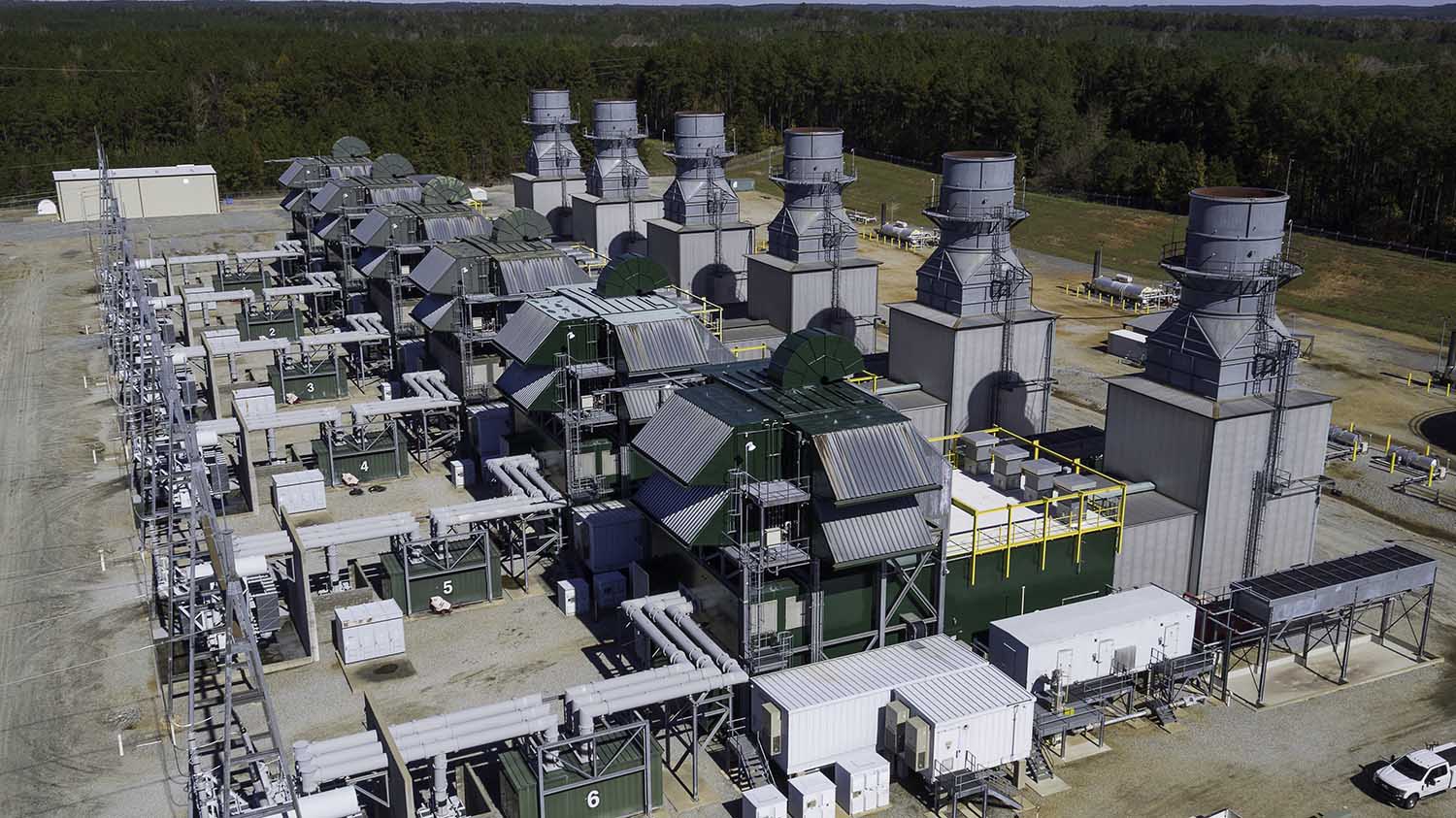
Tucson's energy infrastructure is served by Tucson Electric Power, Southwest Gas, and Trico Electric Cooperative, with Raytheon's energy and directed-energy systems work adding a defense-sector dimension. Roofing on energy sector facilities means continuous-operations discipline, high-voltage safety awareness, and documentation standards that reflect the criticality of the buildings being maintained.
Tucson's electric and gas utility infrastructure is operated by three primary entities. Tucson Electric Power — TEP — serves the Tucson metro as the dominant electric utility, with a generation, transmission, and distribution infrastructure that includes office and operations facilities, substation control buildings, and generation plant support structures across the region. Southwest Gas serves natural gas distribution across southern Arizona with Tucson-area operations and field office facilities. Trico Electric Cooperative supplies electric service to the rural Pima County communities surrounding the Tucson metro — Marana, Sahuarita, Vail, and the rural southeast — with member-service and operations facilities on the city's periphery.
Raytheon Missiles and Defense's presence in Tucson extends into energy and directed-energy systems development — a research and engineering discipline that occupies specialized facility space with high-power electrical and thermal management requirements. Roofing on Raytheon energy systems buildings carries the same security access requirements as other defense-sector work in Tucson, combined with the additional consideration of high-power electrical environments near rooftop penetrations and mechanical systems.
Energy sector facility roofing in Tucson shares one critical characteristic with data center and hospital work: the buildings being roofed cannot stop operating. A substation control building, a gas pressure regulation facility, or a utility operations center is mission-critical infrastructure for the communities it serves. Roofing work on these buildings is sequenced to be invisible to operations, with zero tolerance for penetration events that could affect electrical or gas systems.
Utility Operations Facilities — TEP and Southwest Gas
Tucson Electric Power's operations and administrative facilities in the Tucson metro — the corporate headquarters, operations centers, and field service facilities — are commercial office and industrial buildings with standard flat-roof construction that is subject to the same Sonoran Desert degradation cycle as any other building type. TEP's substation control buildings and generation plant support structures present a different challenge: proximity to high-voltage electrical systems and continuous-operations requirements that mean no section of the building's roof envelope can be compromised without pre-approval from the facility's operations engineering team.
Southwest Gas field and distribution offices in the Tucson area are generally standard commercial construction with operational sensitivity around any work that could affect the physical security or integrity of the facility. Gas utility facilities require contractor personnel to follow site safety protocols that include no-flame and no-spark requirements in designated areas. We identify any site-specific ignition-control zones before mobilization and brief the crew on the requirements before production begins.
Trico Electric Cooperative's operations in the rural Pima County communities — Marana service facilities, the Sahuarita corridor, and the Vail-area field offices — are smaller-footprint buildings that serve member communities across a large geographic area. Trico is a member-owned cooperative, and procurement for construction services reflects cooperative governance requirements. We are familiar with cooperative procurement and provide the documentation Trico's board process requires.
Electrical Safety on Energy Sector Rooftops
Rooftop work near energized electrical systems requires safety protocols that go beyond standard commercial roofing practice. At utility facilities with rooftop electrical equipment — transformer vaults, electrical rooms, metering equipment — we coordinate with the facility's electrical safety officer before production begins to identify lockout/tagout requirements for any equipment in or adjacent to the work area. We do not work above energized electrical equipment without explicit written clearance from the facility's electrical engineering team for each work date.
Raytheon energy systems facilities in Tucson may have high-power electrical and directed-energy test environments that create electromagnetic and physical safety considerations for rooftop workers. We work with the facility's safety officer to identify work windows when test environments are not operating and document the approved windows in the project pre-construction record. This is not a common requirement in commercial roofing, but it is a standard discipline for defense-sector facilities work in Tucson.
High-voltage power lines adjacent to rooftop work areas — a condition on some TEP and Trico service facilities in the Tucson market — require OSHA minimum approach distance compliance for crane operations. We identify overhead line proximity in the pre-construction site survey and flag any location where crane reach would bring equipment within the minimum approach distance. Work in those areas is planned for dead-end or de-energized conditions arranged through the utility's operations team.
Solar Transition and Rooftop Energy Systems in Tucson
Tucson Electric Power's generation portfolio is undergoing a transition toward renewable sources — a shift that affects the utility's facility footprint as new solar generation assets are developed. TEP and third-party solar developers operating in the Tucson market have large-scale ground-mount solar installations that include support buildings — inverter buildings, substation control structures, and operations and maintenance facilities — that require commercial roofing services.
Commercial building owners in Tucson are increasingly installing rooftop solar PV as TEP's net-metering and commercial solar incentive programs make the economics favorable. Rooftop solar PV installations create new penetration categories — racking system mounts, conduit penetrations serving inverter equipment, and wire management trays — that all require proper waterproofing detail and ongoing inspection. We inspect racking penetration waterproofing as part of our annual maintenance program on buildings with solar installations and document condition in writing.
Southwest Gas has been expanding compressed natural gas and renewable natural gas infrastructure in the Tucson market in parallel with broader energy transition trends. CNG fueling facilities and associated support buildings — operations buildings, canopy structures over fueling positions — have commercial roofing needs that combine standard flat-roof construction with the site safety protocols appropriate to natural gas environments. We brief crews on site-specific ignition-control requirements for every natural gas facility project.
Frequently asked questions
Can you work on an active TEP substation control building or utility operations facility in Tucson?
Yes, but with explicit coordination with the facility's electrical safety officer before production begins. We identify lockout/tagout requirements for any equipment in or adjacent to the work area, obtain written clearance for each production date, and do not work above energized electrical equipment without that clearance. Sequencing on utility operations buildings is matched to the facility's operational calendar, not a contractor-driven production preference.
Do you work on Raytheon energy systems or defense-sector energy facilities in Tucson?
Yes. Defense-sector energy facilities carry the same security access requirements as other Raytheon campus work in Tucson — contractor registration, personnel documentation, and work-window coordination with the facility's safety officer. For facilities with high-power electrical or directed-energy test environments, we coordinate with the safety officer to identify work windows when test operations are not active and document the approved windows in the pre-construction record.
How do you handle rooftop solar PV on a Tucson commercial building?
We inspect racking penetration waterproofing as part of our annual maintenance program and document condition in written inspection reports. If the scope requires panel removal, we coordinate with the solar contractor of record or identify a qualified electrical subcontractor for panel-disconnect work. We photograph the completed flashing detail at every racking penetration and include it in the closeout record.
Does Tucson's climate affect roofing on energy sector facilities differently than other building types?
The Sonoran Desert climate affects all commercial roofs in Tucson the same way — UV degradation accelerating membrane aging, monsoon-season drain management requirements, and thermal cycling stressing seams and flashings. The difference on energy sector facilities is consequence: a substation control building or gas utility operations center has higher consequence from water intrusion than a standard office building. Pre-monsoon drain inspection and seam assessment are especially important on these facilities, and we treat them as high-priority in our annual maintenance scheduling.
Need a roofing scope for a Tucson energy sector or utility facility?
Our project managers will walk the roof, coordinate with your electrical safety team, and produce a written scope that accounts for your continuous-operations requirements, high-voltage proximity considerations, and Sonoran Desert maintenance demands.
Ready to talk through a roof?
Tell us about the building and the roof problem. We'll document it and put a plan in writing — with an honest repair-vs-replace recommendation and no upsell pressure.
Documented, repair-first commercial & industrial roofing across Tucson and Pima County. Flat and low-slope systems for occupied buildings, planned around your operation.
Services
© 2026 Commercial Roofing Contractors Tucson. All Rights Reserved. Privacy Policy · Terms of Use