
Mixed-Use Development Roofing in Tucson, AZ
Roofing and podium waterproofing for mixed-use buildings in Tucson, AZ. Retail, residential, and amenity decks under one roof line, with coordinated warranties and occupied-building phasing.
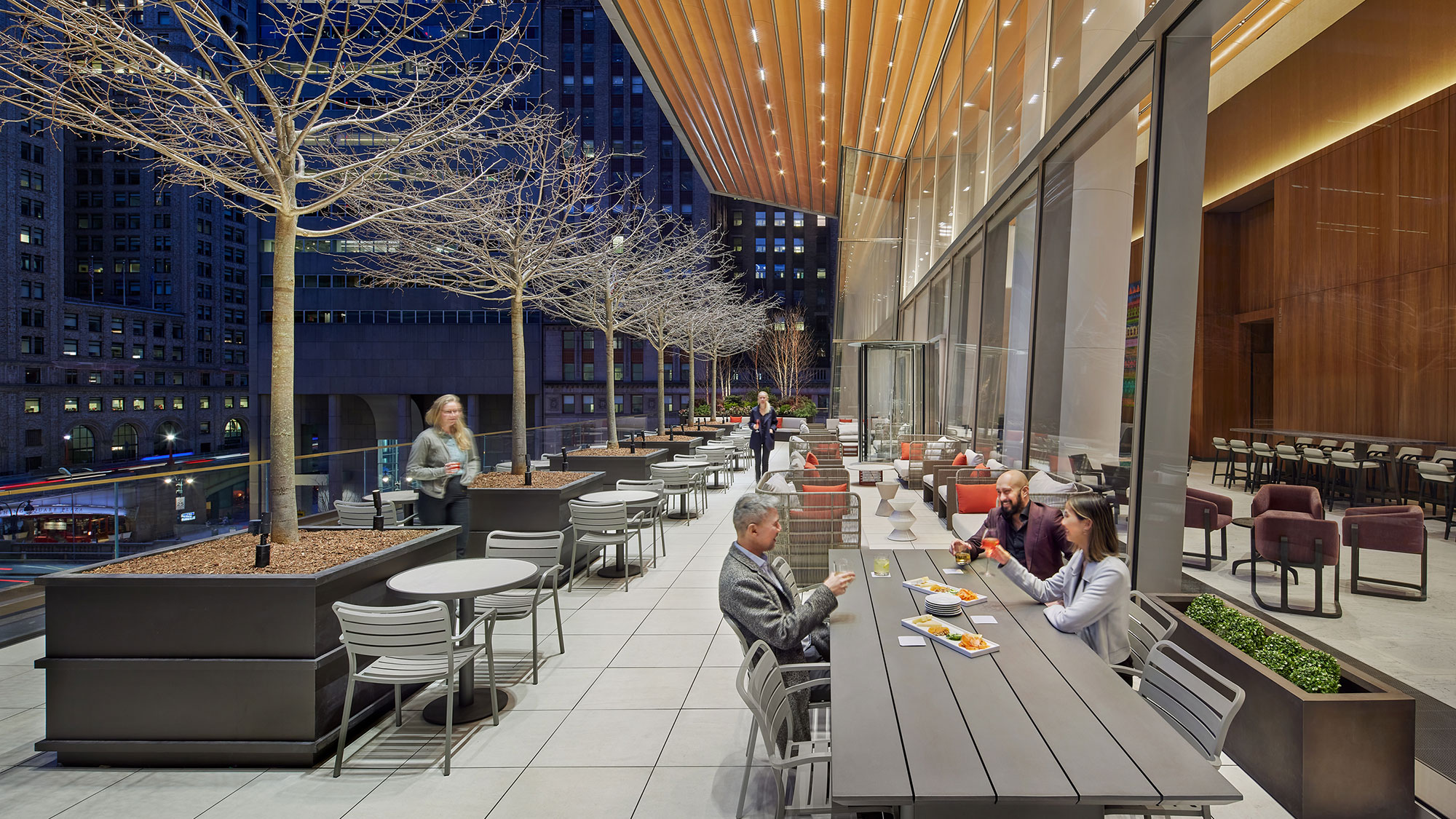
A mixed-use building does not have one roof — it has several different waterproofing problems stacked in the same structure, and treating them as one flat plane is how these projects end up in litigation. Ground-floor retail, office above, apartments at the top, and a parking podium tucked into the base each carry their own occupancy schedule, mechanical load, and warranty path. The work is figuring out how those uses interact vertically, then specifying each surface for what is actually above and below it.
The demand in Tucson is concentrated where infill is happening: along the Sun Link streetcar route connecting downtown, the Fourth Avenue district, and the University of Arizona, where transit-oriented projects keep stacking student and market-rate housing over street-level retail. Downtown Congress Street, the West University edge, and the Mercado District west of the freeway are all adding the same building type — ground-floor commercial under residential, frequently over structured parking. A growing student population and a downtown that has been redeveloping for a decade are the demand drivers under all of it.
The podium deck is not a roof
The single most expensive mistake on a Tucson mixed-use building is specifying a standard roofing membrane on the podium — the deck that sits between parking or retail at grade and the residential or office above. That deck is occupied, planted, and driven on. It needs a traffic-bearing waterproofing assembly: a structural-grade membrane, drainage composite, root barrier under any landscaped plaza, and a load path coordinated with the structural engineer. A standard low-slope roofing membrane laid on a plaza or amenity deck is simply the wrong product, and it typically fails within five years under traffic and hydrostatic load.
The desert adds a load most envelope details underestimate: thermal movement. A large podium or plaza deck in Tucson swings through a wide daily temperature range, and the daytime-to-overnight cycle in summer expands and contracts the slab and the finishes on top of it relentlessly. Waterproofing that is not detailed for that movement tears at the terminations, the planter edges, and the transitions to the building wall first. We carry expansion and movement joints through the waterproofing assembly rather than counting on the membrane to absorb the cycling, because over a desert summer that cycling never lets up.
The upper roofs and the amenity decks
Up top, a residential tower carries a different problem set: parapet drainage that has to clear monsoon downpours fast, mechanical-penthouse flash-throughs, elevator-overrun and mechanical-room enclosures, and rooftop amenity decks that are themselves traffic-bearing assemblies rather than membranes. Those amenity decks — increasingly common on Tucson's mid-rise infill — need a waterproofing layer under the finish surface that is coordinated with the deck-finish contractor and the structural engineer of record, not a roofing membrane with pavers dropped on top.
- Parapet and overflow scuppers are sized and detailed for the intensity of a Tucson monsoon cell, not an average rainfall, because the failure mode here is a short, violent storm overwhelming undersized drainage.
- Reflective membrane on the open low-slope roofs holds down cooling load on the residential floors through a desert summer.
- Warranty coordination is mapped up front so the podium, the field roofs, and the amenity decks do not end up with overlapping or gapped manufacturer coverage.
Building while people live and shop below
Most of this work happens on occupied buildings, and the urban infill locations carry city noise-ordinance limits on working hours, restricted street and alley access, and ground-floor retail that cannot simply close. We build a phasing plan before mobilizing: noise, vibration, and dust-containment measures; written daily dry-in confirmed before each shift ends; and elevator and common-area access coordinated with building management so residents and retail tenants are not stranded. We do not leave a work area open over occupied space overnight.
Coordinating the whole project team
Not all of Tucson's mixed-use stock is new construction. A good share of the downtown work is adaptive reuse — an older warehouse or mid-century office on Congress Street or Stone Avenue converted to apartments over ground-floor commercial — and those buildings hand you an existing roof and deck that were never designed for the new occupancy above. The reroof scope there starts with finding out what is actually up there: deck type, embedded moisture, old penetrations from the prior use, and whether the existing structure can carry the new amenity deck or mechanical loads the conversion adds. We core and scan before we spec, because on a conversion the surprises are under the surface.
A mixed-use roof scope rarely stands alone — it runs in parallel with the general contractor, the MEP trades, the structural engineer, and often a building-envelope consultant. We work inside that submittal process: manufacturer technical approval of the specified systems, waterproofing mock-ups and testing before full installation, quality-control inspection reports, manufacturer-rep inspections at the critical phases, and NDL warranty registration at closeout. Construction lenders and developers expect that paper trail, and we produce it from pre-construction through final inspection.
Mixed-Use Development Roofing Questions
What is the difference between roofing and podium waterproofing?
A roofing membrane is built for low-slope drainage and light maintenance traffic. A podium waterproofing assembly has to take structural deflection, root intrusion from planters, constant hydrostatic pressure, and pedestrian or vehicle loads. Putting a roofing membrane on a plaza or amenity deck is the wrong specification and usually fails within five years.
How do you coordinate work over occupied residential and retail space?
With a detailed phasing plan that sequences the work to limit impact, noise and dust containment set before mobilization, written daily dry-in before each shift ends, and elevator and common-area access coordinated with building management so residents and tenants keep moving.
Do you handle rooftop amenity decks?
Yes. Amenity decks need a traffic-bearing waterproofing assembly under the finish surface, not a standard membrane. We specify, install, and warranty those in coordination with the deck-finish contractor and the structural engineer of record.
What documentation do developers and lenders require?
Typically architect-reviewed submittals, manufacturer technical approval of the system, mock-up testing before full installation, QC inspection reports, manufacturer-rep inspections at critical phases, and NDL warranty registration at closeout. We work inside the project's submittal and QC framework throughout.
Can you work on an occupied building during a renovation?
Yes. Occupied mixed-use work is routine in Tucson's urban core. It takes disciplined daily dry-in, phased sequencing, and coordinated notice to building management and affected tenants. We do not demobilize at the end of a day unless the work area is watertight.
Ready to talk through a roof?
Tell us about the building and the roof problem. We'll document it and put a plan in writing — with an honest repair-vs-replace recommendation and no upsell pressure.
Documented, repair-first commercial & industrial roofing across Tucson and Pima County. Flat and low-slope systems for occupied buildings, planned around your operation.
Services
© 2026 Commercial Roofing Contractors Tucson. All Rights Reserved. Privacy Policy · Terms of Use