
Multifamily and Apartment Building Roofing in Tucson, AZ
Roofing for apartment complexes, multifamily housing, and HOA-managed communities throughout Tucson, AZ.
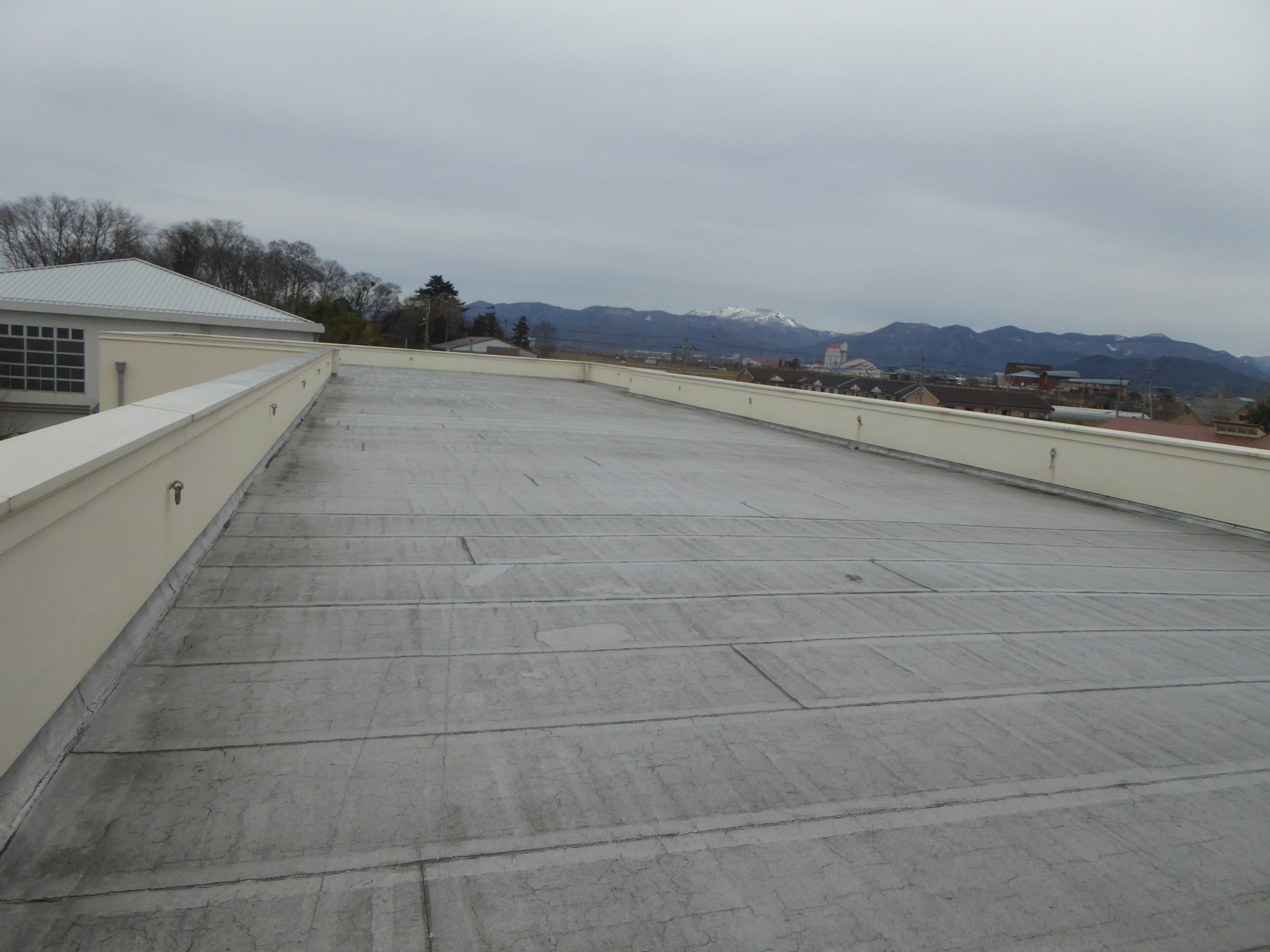
HSL Properties, one of Tucson's most active multifamily developers and operators with thousands of apartment units across the metro, faces the same flat-roof challenges on its occupied residential communities that define multifamily commercial roofing practice throughout southern Arizona. Apartment and mixed-use residential re-roofing in Tucson occurs on buildings where tenants live 24 hours a day, where the scheduling sensitivity exceeds even that of occupied office buildings, and where the legal and regulatory framework governing tenant relationships adds a layer of complexity that professional commercial roofing contractors must understand and navigate carefully.
Occupied scheduling on Tucson multifamily properties requires a phased approach that limits the daily active work footprint to sections of the building where noise, debris, and temporary access restrictions will affect the fewest occupied units. Roofing activities directly above occupied apartments — particularly tear-off with mechanical equipment, fastener installation with pneumatic tools, and generator-powered equipment — generate noise levels that violate Tucson's residential noise ordinance during prohibited hours (10 PM to 7 AM on weekdays, 10 PM to 9 AM on weekends). Work plans should be submitted to and approved by property management before project mobilization, and the plan should identify the daily start and end times, the active work area for each project phase, and the debris management procedure that prevents roofing materials from falling onto balconies, patios, or common areas occupied by residents.
HOA and property management coordination on Tucson multifamily properties involves multiple stakeholder layers: the owner or investor may be a large institutional REIT or a private family office; the property management company operates the asset on the owner's behalf; the HOA (for condominium properties) has a board that must approve significant maintenance expenditures and may require multiple bidding rounds; and individual tenant or HOA member residents have direct concerns about disruption and property protection. Understanding which of these parties has decision authority for specific aspects of the project — scope approval, payment processing, schedule authorization — and establishing clear communication channels with each is essential before project mobilization.
Balcony waterproofing on Tucson apartment communities represents one of the highest-risk components of the building envelope for water intrusion damage, even in a desert climate. Tucson's monsoon season delivers intense but short-duration rainfall events that fall vertically and horizontally on balcony surfaces, and deck surfaces that appear serviceable in dry weather can allow significant water infiltration during a monsoon storm. Liquid-applied waterproofing systems over properly sloped balcony decks, with positive drainage to visible weep holes at balcony edges, are the most reliable long-term solution for Tucson multifamily balconies. These systems must be installed while affected units are accessible for inspection, requiring resident notification and temporary restriction of balcony use during the application and cure period.
Fire rating requirements apply to all multifamily roofing assemblies in Arizona, which follows the IBC requirements for Group R-2 occupancies. Class A fire-rated roofing assemblies are required for multifamily buildings in most jurisdictions, and the assembly rating must be verified through the FM or UL directory for the specific membrane and insulation combination proposed. Tenant safety during re-roofing operations also requires fire watch protocols when hot-work equipment such as propane torches are used for modified bitumen flashing applications near occupied areas, and fire extinguishers must be staged at defined intervals on the roof during any hot-work activity.
Notice requirements for Tucson multifamily re-roofing are defined by a combination of Arizona landlord-tenant law, specific lease provisions, and the property management company's standard operating procedures. Arizona Revised Statutes Section 33-1343 requires that landlords provide reasonable notice before entering a rental unit, but re-roofing work that does not require entry into individual units still requires notification because of the access restrictions, noise, and debris potential that affect residents' use of common areas and outdoor spaces. Best practice is written notice delivered at least 15 days before work begins, posted prominently in common areas and delivered to each occupied unit, describing the work scope, schedule, affected areas, and contact information for project-related questions.
Storm insurance claims on Tucson multifamily properties after monsoon damage involve the same documentation and timing considerations that apply to commercial warehouse and office properties, but with the additional complexity that individual residents may have renter's insurance claims for personal property damage that coincide with the building owner's property insurance claim for building damage. Property management companies should have clear protocols for separating the building owner's claim (structural building damage, common area property) from individual tenant claims (personal belongings, unit contents), as conflating these creates administrative complications that can delay both claim settlements. A roofing contractor experienced with Arizona multifamily insurance claims can provide the damage documentation format that property insurance adjusters require.
Phased roofing work on Tucson apartment communities requires particular attention to temporary waterproofing at phase terminations — the points where active work ends for the day or the week and the completed membrane must transition to an unfinished deck area. These temporary terminations must be watertight for the full duration between work phases, which on a large community with multiple buildings can extend to several weeks as crews move from one structure to the next. A properly executed temporary termination involves taping or sealing the membrane edge to the deck surface and providing positive drainage away from the sealed edge so that monsoon rainfall cannot pond against the temporary termination and infiltrate the building below.
Energy efficiency on Tucson multifamily roofs is directly relevant to resident utility costs and to the building owner's NOI if utilities are included in rent. Cool-roof TPO membranes that reduce roof surface temperatures by 50-70°F directly reduce cooling loads on the top-floor units immediately below the roof, lowering resident electricity bills or reducing the building's common-area cooling costs. Pima County's multifamily property programs and TEP's commercial efficiency incentives can provide financial support for energy-efficiency roofing upgrades on qualifying multifamily properties, improving project ROI for value-oriented multifamily investors.
- What notice is required before re-roofing an occupied Tucson apartment complex?
- Arizona landlord-tenant law requires reasonable advance notice before work affecting residents' use of the property. Best practice for multifamily re-roofing in Tucson is written notice delivered at least 15 days before work begins, posted in common areas and distributed to each occupied unit. The notice should describe the work scope, daily schedule, affected areas, and contact information for resident questions and concerns.
- What fire rating is required for Tucson apartment roofing systems?
- Arizona follows IBC requirements for Group R-2 multifamily occupancies, requiring Class A fire-rated roofing assemblies. The assembly rating must be verified through the FM or UL listing directory for the specific membrane and insulation combination proposed. Any hot-work activities during installation require fire watch protocols and staged fire extinguishers per NFPA 241 standards for construction fire safety.
- How is balcony waterproofing handled on Tucson apartment buildings?
- Balcony waterproofing in Tucson's monsoon climate requires liquid-applied or sheet-membrane systems over properly sloped substrates with positive drainage to visible weep holes at balcony edges. Installations require resident notification and temporary balcony access restrictions during application and cure. Annual inspection of balcony deck seams, perimeter joints, and drain openings is essential to identify and repair the minor cracking that develops with Tucson's thermal cycling before it allows water intrusion.
- How do phased re-roofing projects work on large Tucson apartment communities?
- Large multifamily communities with multiple buildings are typically re-roofed one building at a time in a sequence that minimizes concurrent disruption to the overall community. Each building phase includes its own temporary waterproofing at work terminations, resident notification, and access restriction coordination. The overall project schedule is planned in advance with the property manager to avoid disrupting high-traffic periods such as move-in days, community events, or peak leasing season.
- Can Tucson multifamily properties qualify for energy rebates on cool-roof installation?
- Yes. Multifamily properties served by Tucson Electric Power may qualify for commercial efficiency rebates for cool-roof installations meeting ENERGY STAR reflectance criteria. Eligibility depends on whether the property is billed under a commercial or residential rate schedule and whether utility costs are the owner's or the residents' responsibility. TEP's commercial energy efficiency team can confirm rebate eligibility and application requirements for specific multifamily properties.
Frequently asked questions
Can you coat a BUR roof instead of replacing it?
Sometimes — and in Tucson it is often the right call when the substrate qualifies. We pull moisture cores before making any recommendation. If the insulation is dry, the gravel contact is intact, and there is no active blistering, a silicone coating system with the appropriate BUR primer is frequently the most cost-effective path: typically one-third the cost of tear-off and replacement, with a 10-15 year warranty from the coating manufacturer. If the insulation is wet, coating is not the answer and we say so.
How does Tucson's climate affect BUR faster than other markets?
Sustained UV at Index 11-plus for roughly five months of the year oxidizes the surface bitumen at a faster rate than in northern or coastal markets. The monsoon season then stress-tests seams and flashings that have been UV-cycled all summer. The combination accelerates alligatoring, flashing degradation, and gravel contact breakdown faster than manufacturer service-life tables — which are typically calibrated to moderate-climate exposure — predict. Annual inspection and maintenance is not optional on Tucson BUR systems; it is what determines whether the system reaches the end of its useful life on a planned schedule or fails on a monsoon emergency.
Is new BUR installation an option for Tucson commercial buildings?
Rarely, and we do not recommend it as a first choice. New BUR installation in the Tucson market has been largely supplanted by TPO and silicone coating systems that provide better reflectivity performance in the IECC Climate Zone 2B compliance environment. We can spec and install new BUR where a building's situation specifically requires it — but for most Tucson commercial buildings, a reflective single-ply system or a silicone restoration coating is the more defensible recommendation.
Aging BUR on a Tucson commercial building?
We will walk the roof, pull core cuts, and produce a written assessment — replace vs. coat vs. recover — with system options, installed cost bands, and warranty paths. No obligation.
Ready to talk through a roof?
Tell us about the building and the roof problem. We'll document it and put a plan in writing — with an honest repair-vs-replace recommendation and no upsell pressure.
Documented, repair-first commercial & industrial roofing across Tucson and Pima County. Flat and low-slope systems for occupied buildings, planned around your operation.
Services
© 2026 Commercial Roofing Contractors Tucson. All Rights Reserved. Privacy Policy · Terms of Use